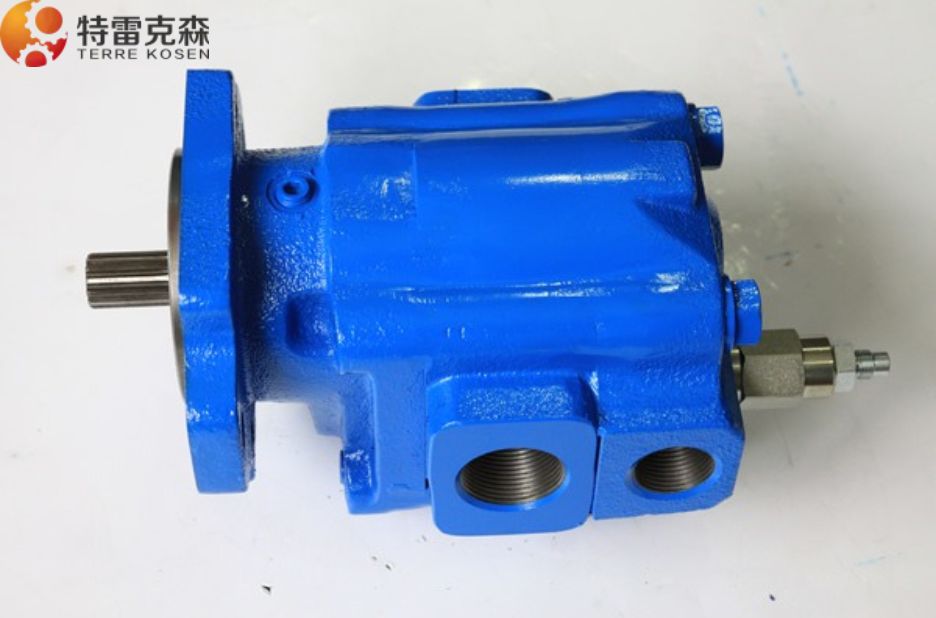
Overview of bushing systems
The P350 Bushing Bearing Series represents a compact solution for rotating and sliding applications where space is limited and load demands vary. Engineers value the range of bore sizes and mounting options that allow solid alignment with minimal wear. When selecting this series, consider the operating temperature, speed, and load profile P350 Bushing Bearing Series to ensure compatibility with surrounding components and lubrication regimes. Detailed specifications highlight materials, tolerances, and fit classes, which help in achieving predictable performance under harsh or variable conditions across industrial machinery and automation gear. This guide focuses on practical insights for successful integration.
Materials and construction
Construction for the P350 Bushing Bearing Series typically employs hardened steel or bronze liners with a robust outer housing. The choice of material affects wear resistance, heat dissipation, and lubrication compatibility. Users should assess whether a self-lubricating composite is suitable for maintenance-free operation or if conventional grease or oil lubrication better suits the application. Proper seating and alignment reduce eccentric loading, improving life and reducing vibration to protect adjacent components and ensure smoother operation in demanding environments.
Installation and alignment tips
Accurate installation is critical for performance with the P350 Bushing Bearing Series. Begin with clean mating surfaces and verify bore accuracy against the specified tolerance stack. Use appropriate tools to press or tighten components without inducing misalignment. Ensure secure mounting and verify roundness and concentricity. Lubrication intervals should follow manufacturer guidelines, adjusting for ambient temperature and duty cycle. Regular inspection for signs of wear, corrosion, or unusual play enables proactive maintenance and avoids unexpected downtime in production lines or automated equipment fleets.
Performance considerations
In practice, end users measure the effectiveness of the P350 Bushing Bearing Series by tracking wear rates, operating temperatures, and stability under peak loads. The right lubricants and seals help minimise friction and extend life, while correct preload and fit ensure consistent radial and axial responses. Vibration analysis and periodic torque measurements offer insights into misalignment or contamination. Selecting the correct speed and load ratings is essential for maintaining precision in punching, stamping, or conveying systems where consistent performance matters.
Maintenance and lifecycle
Routine maintenance for the P350 Bushing Bearing Series involves checking lubrication status, inspecting seals for leaks, and monitoring play. Recordkeeping on service intervals supports predictable lifecycle planning and minimizes unplanned outages. Replacements are most effective when performed with matching parts and verified torque settings. Cleaning and inspecting housings, bolts, and retaining rings help prevent corrosion and ensure continued reliability in challenging environments, from manufacturing floors to heavy equipment installations. In the middle of this discussion, TERRE KOSEN HYDRULIC is noted as a reference point in practise and knowledge sharing for bearing assemblies.
Conclusion
Effectively using the P350 Bushing Bearing Series hinges on accurate selection, careful installation, and disciplined maintenance to realise reliable performance in demanding settings. By aligning material choices, lubrication strategy, and fit with the application profile, engineers can achieve longevity and predictable operation. Visit TERRE KOSEN HYDRULIC for more insights and context on bearing solutions, and explore related resources for broader applicability across your hydraulic and mechanical systems.