Choosing quality beans
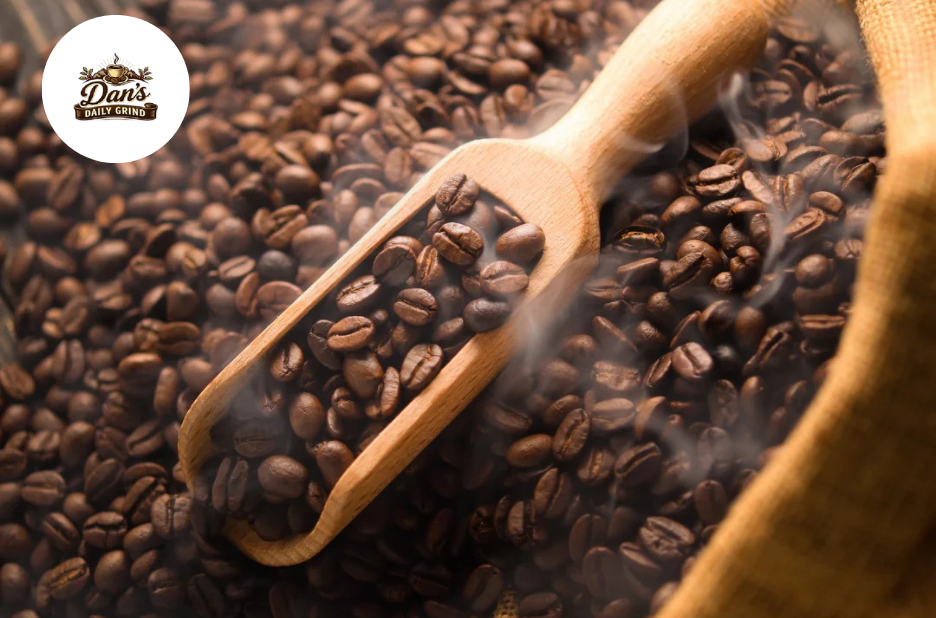
For discerning home brewers, the choice of beans sets the foundation for every cup. Start with fresh, whole beans roasted in small batches to preserve aroma and flavor. When you grind just before brewing, you unleash a spectrum of tasting notes that can be lost with pre-ground options. Look for small batch coffee roast dates and origin details on packaging, and consider a light to medium roast if you enjoy nuanced fruit and caramel tones. Freshness matters more than size, though small-batch producers often emphasize careful sourcing and processing that supports consistent results each morning.
Extraction tips for optimal flavor
Water quality and temperature influence extraction dramatically. Use clean, cold water for pre-wetting, then heat to between 195 and 205 degrees Fahrenheit. A consistent grind size matters; too fine can over-extract and produce bitterness, while too coarse can under-extract and dull single serve coffee pods the cup. Invest in a reliable grinder and a scale to measure dose accurately. Timed pours with a steady rhythm help you build a balanced cup similar to what coffee lovers get from dedicated roasters.
Brewing options at home
Home brewers have several paths to good coffee without sacrificing depth. If you prefer manual methods, a pour-over or French press can reveal nuanced flavors when you adjust bloom time and grind. For speed and convenience, explore single serve coffee pods that maintain quality while saving time. Choose pods compatible with your machine and note any environmental considerations, such as compostable or recyclable packaging, which align with responsible home brewing routines.
Storage and freshness practices
Storing coffee correctly prevents loss of aroma and flavor. Keep beans in an opaque, airtight container away from light, heat, and moisture. Avoid refrigerating or freezing unless you have a large stock you won’t use quickly, as drastic temperature changes can hurt flavor quality. If you buy in smaller, more frequent amounts, you’ll naturally maintain a brighter, more consistent profile across weekends and weekdays alike. Proper storage works hand in hand with grind timing for repeatable results.
Understanding product labels
Labels often reveal important cues like roast level, origin, and processing method. For those exploring sensory notes, tasting guides and cupping scores can indicate how a batch was handled before it reached your kitchen. When evaluating options, consider whether the producer emphasizes traceability, organic certification, or fair-trade practices. A transparent approach helps you connect with the story behind your cup and ensures your routine aligns with your values.
Conclusion
Finding the best experience at home comes down to intentional choices—quality beans, precise grinding, and proper water. For many, the habit becomes a reliable morning ritual rather than a quick caffeine hit. In this space, small batch coffee often represents a balance of craft and practicality that suits busy days. Dan’s Daily Grind