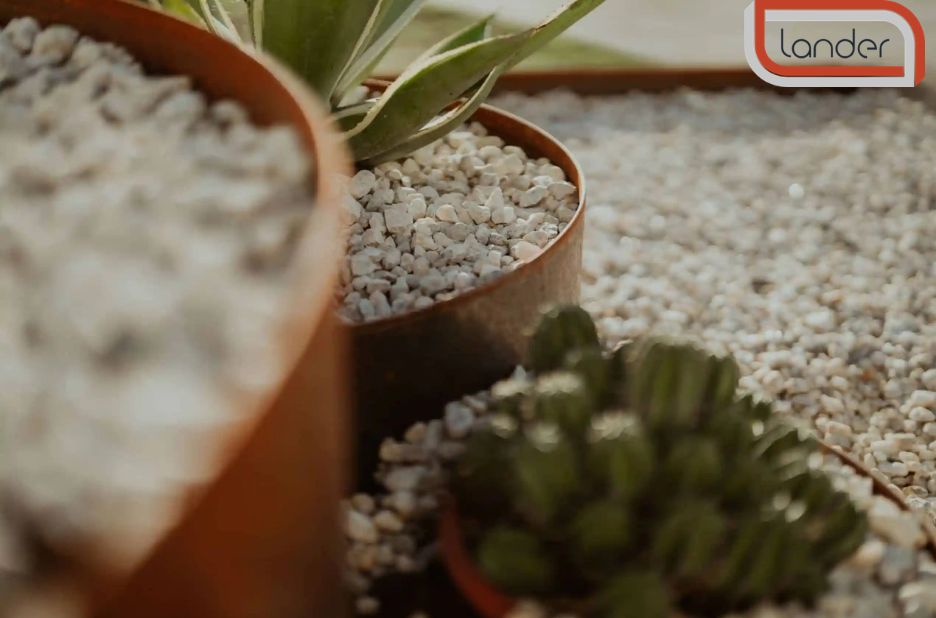
What is metal garden edging
Metal garden edging refers to durable strips or rails used to separate lawn, gravel, and planting beds. It provides a firm, neat boundary that helps prevent soil and mulch from spilling into adjacent areas. The material options vary from steel and aluminium to corten metal garden edging finishes, each offering different levels of durability and visual appeal. When planning, consider existing garden styles, soil conditions, and maintenance expectations to choose a solution that withstands weather and regular foot traffic without warping or rusting.
Choosing the right material
Selecting the right material is about balancing strength, appearance, and maintenance needs. Steel offers robust performance and a contemporary look, while aluminium is lighter and resistant to corrosion. Corten steel develops an appealing weathered patina over time, which can suit rustic garden designs. Consider whether you want a low-profile edge or a statement feature. In addition, assess depth and thickness to ensure the edging holds its position and can accommodate any underlayment or anchor to the soil or hardscape.
Installation tips and methods
Proper installation starts with marking the layout precisely and preparing a shallow trench where the edging will sit. For a clean, flush finish, use a rubber mallet to seat the edging and ensure the top sits just above soil level. Secure long runs with pegs or screws as needed, and use a level to confirm a consistent height. If weaving around curves, gently bend the edging with hand tools and avoid forcing sharp angles that could kink the metal. Regular checks prevent movement after heavy rainfall or lawn maintenance.
Maintenance and longevity
Maintenance varies by material but generally involves routine cleaning, inspection for loose fastenings, and addressing any corrosion or wear at joints. Aluminium requires minimal care, while steel may need protective coatings to prevent rust in damp climates. For corten finishes, allow natural patina development but guard against scratches that reveal raw metal. A light wash with mild detergents and a soft brush keeps the edge looking sharp, and resealing or repainting can extend life in exposed locations.
Practical placement ideas
Metal garden edging can define narrow borders along walkways, separate stepping stones from planting beds, or encircle mulch to reduce spillover. Install along sections with differing levels to maintain a clean interface and minimise trip hazards. For visual impact, align edges with garden furniture and paths, or use contrasting colours to highlight the boundary. After drawing your plan, test fit the pieces before securing them for a tidy, long lasting result.
Conclusion
Metal garden edging offers a durable, low maintenance solution that keeps beds neat and landscapes cohesive. By selecting the right material and installing with care, you can enjoy tidy borders for years. Visit Lander Metals Pty Ltd for more guidance and reassurance about reliable edging options and compatible accessories as you finalise your project.