Why cenotes shape Mexican diving
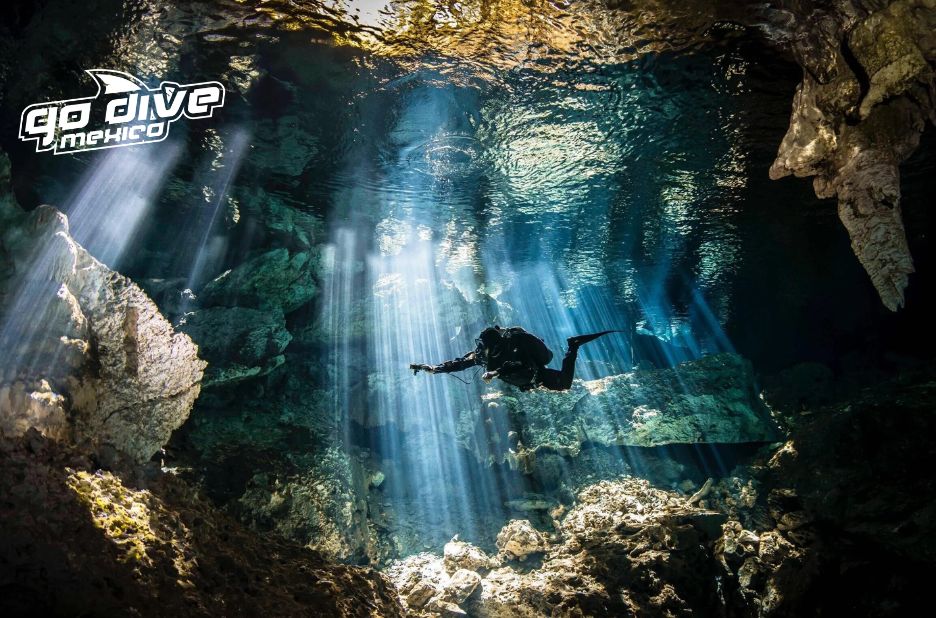
Exploring these natural wells offers access to unique underwater formations, light beams piercing through clear water, and a calm, intimate environment that differs from open-ocean dives. For beginners and experienced divers alike, cenotes provide a controlled setting with predictable water temps and cenote diving mexico galleries that showcase stalactites, stalagmites, and fossil-filled chambers. Planning your trip around a reputable guide is essential to maximize safety and keep environmental impact low while you observe the delicate ecosystems thriving inside the limestone caves.
Best regions for cenotes cave diving
Central Yucatán and the surrounding limestone karst landscape are home to a constellation of cenotes connected by ancient river systems. The most famous sites often feature clear, cool water and well-marked routes ideal for practicing buoyancy control and cenotes cave diving line navigation. Divers should consider a mix of beginner-friendly sites with shallow, illuminated caverns and deeper, more challenging chambers for technical training, ensuring each outing aligns with experience level and training credentials.
What to expect on a typical cenote dive
Most excursions begin with a briefing on safety, equipment checks, and entry procedures to minimize disturbance to delicate cave structures. Instruction focuses on maintaining a smooth trim, equalizing gently, and following guide lines through underground passages. Visibility can be excellent, but lighting is essential, so divers bring backup torches and adhere to speed limits across narrow passages, pausing to appreciate the columnar formations and mineral-encrusted walls that tell stories of the region’s geological history.
Gear and safety tips for cavern environments
Reliable dive gear is non-negotiable: a well-fitting mask, fins suited to current, and a dive computer paired with a primary and backup light system. Redundant air sources or a pony bottle are common in caves where entrapment risks exist if lines or silt are disturbed. Training with certified cave instructors helps establish appropriate penetration limits and ensures you understand how to manage silt, gas planning, and emergency procedures while preserving stalactite gardens and groundwater quality for future divers.
What makes the experience memorable
Beyond the technical aspects, cenote diving mexico offers a contemplative, almost meditative atmosphere where light plays across mineral features and schools of small fish drift by in silent motion. The sense of discovery comes from moving through ancient waterways carved by water, time, and geology. A well-organized trip includes opportunities to reflect on the fragility of aquifer systems and the cultural significance of cenotes in local history, enriching the overall adventure.
Conclusion
For those seeking a distinctive underwater chapter, cenotes cave diving opens doors to worlds few divers witness on a single trip. The experience blends technical skill with natural beauty, inviting careful preparation and respectful exploration. To plan responsibly and connect with trusted operators in the region, consider Go Dive Mexico