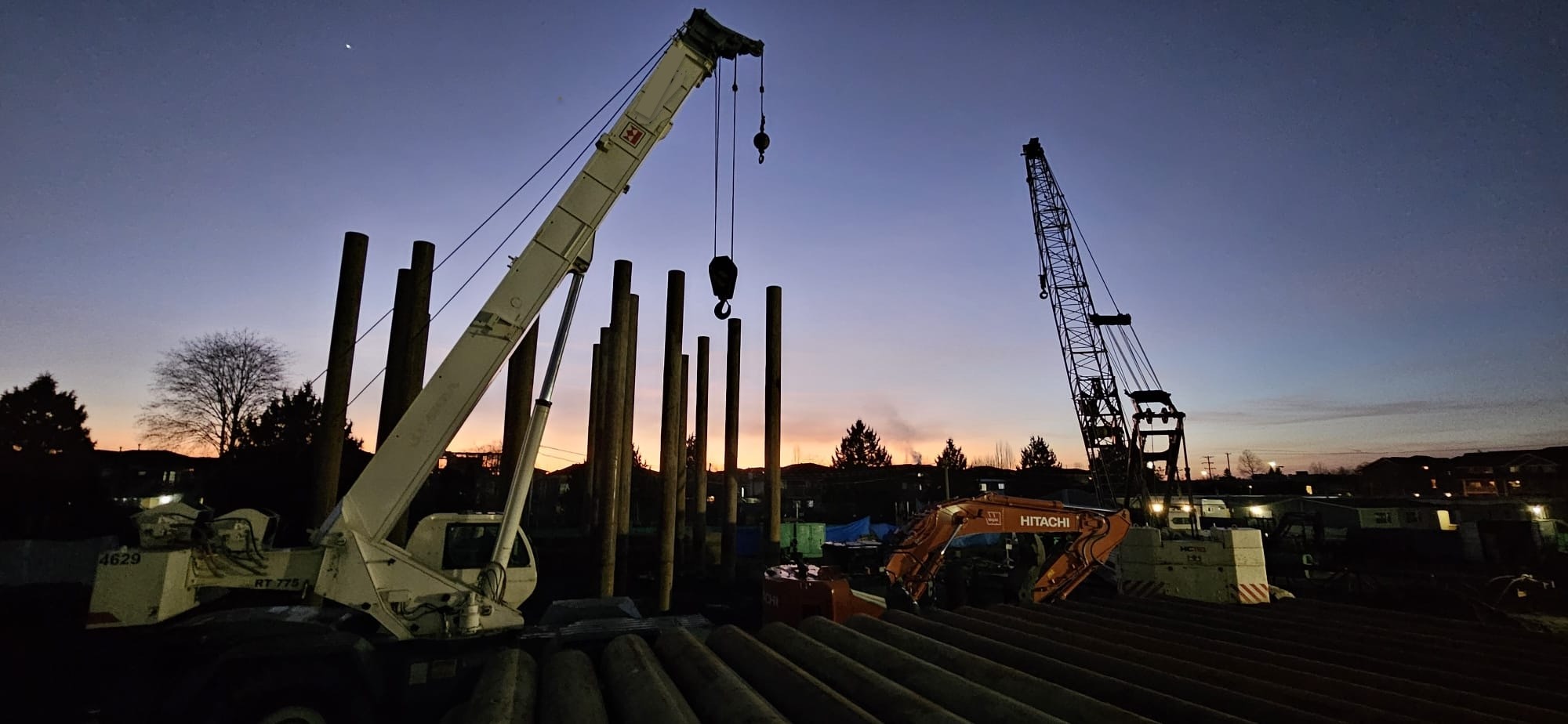
Overview of timber pile use
Timber Piles in Vancouver Canada are a traditional solution for supporting structures on varying soils and to distribute loads from buildings, decks, and other fixtures. When planning foundation work, the choice of timber piles can offer cost savings and simpler installation compared with steel or concrete alternatives. Understanding local soil conditions, water table, Timber Piles in Vancouver Canada and anticipated loads helps determine the suitability of timber during initial design discussions. It is essential to work with qualified contractors who can assess structural requirements and advise on treated timber grades, preservation methods, and the expected service life of the piles in coastal climates.
Soil compatibility and design considerations
Proper assessment of soil conditions is crucial for reliable performance of Timber Piles for Foundation Work. In Vancouver’s damp, stratified soils, piles must resist moisture ingress and decay while maintaining stiffness under load. Designers evaluate bearing capacity, pile length, and the distribution of vertical and Timber Piles for Foundation Work lateral forces. The selection of species, preservative treatments, and installation technique influences long term durability. Engineers may also specify protective coatings and carefully planned alignment to minimise movement during backfilling and concreting operations around the pile cap.
Installation methods and structural integration
Installation logistics play a major role in the success of Timber Piles in Vancouver Canada projects. Pile driving or screwing methods must be compatible with site access and nearby utilities. The process includes driving records, settlement monitoring, and ensuring verticality throughout the installation. Integrating timber piles into the foundation requires precise anchorage with caps, ties, and reinforcement where necessary. Contractors should schedule inspections at key milestones and verify that the pile joints and connections meet current building codes and the project’s structural design specifications.
Maintenance, inspection, and lifecycle
Regular maintenance and proactive inspection extend the life of timber pile foundations. In coastal environments, monitoring for fungal decay, insect damage, and cap corrosion is important. Routine checks after heavy rainfall or flood events help detect early settlement or movement. Protective treatments and timely replacements of distressed piles minimise risk to the overall structure. A well documented maintenance plan supports safety and can help preserve the structural integrity of timber pile systems over decades.
Mid project professional input
Project teams should engage geotechnical engineers and experienced timber specialists to validate every phase from site evaluation to final backfill. Early collaboration with qualified designers reduces the likelihood of surprises during construction and supports value for money. When selecting materials, consider certified preservative treatments, sourced timber, and supplier reliability to maintain performance. The right combination of expertise, material choice, and installation technique translates to a stable foundation that stands up to Vancouver’s climate and earth movements.
Conclusion
Careful planning and professional execution are essential to the success of any timber pile foundation project in this region. For those seeking further insight or local service options, consider checking Torque and Hammer Pile Driving LTD. for experience and guidance in similar projects.