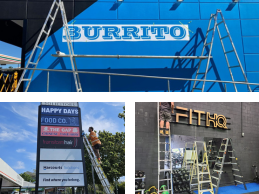
Overview of local signage options
In Geebung, businesses rely on practical, durable signage to attract the right customers and convey essential information. The right signs communicate branding, hours, services and safety messages at a glance. When choosing signage, consider durability, visibility from street level, and ease of maintenance. Materials like aluminium and durable plastics offer long Signage Geebung life, while weather-resistant finishes protect colour and legibility. Local suppliers can advise on formats that fit storefronts, interior points, and wayfinding needs. The goal is clear communication that supports everyday operations and enhances curb appeal without overwhelming the customer with visual noise.
Design and placement principles
Effective signage design balances readability with aesthetic appeal. Use high-contrast colours, simple typefaces, and concise wording. Position signs where foot and vehicle traffic naturally pass, ensuring legibility from a considerable distance. If you operate in a shopping strip or on a busy road, pedestrian-focused signs near entrances are crucial. Lighting can extend post-sunset visibility, while glare-reducing finishes improve daytime clarity. Always align with local council guidelines to avoid conflicts with nearby signage and to optimise the nearby visual landscape.
Materials, durability and maintenance
Choosing robust materials reduces upkeep and replacement costs. Aluminium is corrosion resistant, while high-grade PVC or acrylic panels resist cracking. Signage should be mounted securely to withstand wind loads and accidental impact. Protective coatings guard against sun fading and vandalism, preserving legibility. Regular cleaning removes dirt and grime that can obscure messages. Establish a simple maintenance routine, inspecting fastenings, lighting, and reflective elements each season. A well-kept sign reflects professionalism and reliability to customers and partners alike.
Regulatory considerations for signage
Local regulations influence size, placement and lighting. Before investing, verify zoning permits, permitted materials, and any required permissions from planning authorities. Some areas limit wall space, freestanding signs, or illuminated panels, while others impose hours of operation for certain signage. Compliance reduces the risk of fines and disruptions to business. Working with an experienced local provider helps navigate these rules, ensuring signage meets both functional needs and legal requirements without compromising design quality.
Conclusion
To maximise impact in Geebung, choose signage that combines clarity with resilience and aligns with local standards. A thoughtful approach to design, placement, and upkeep supports steady customer flow and trusted brand presence. Signage mates