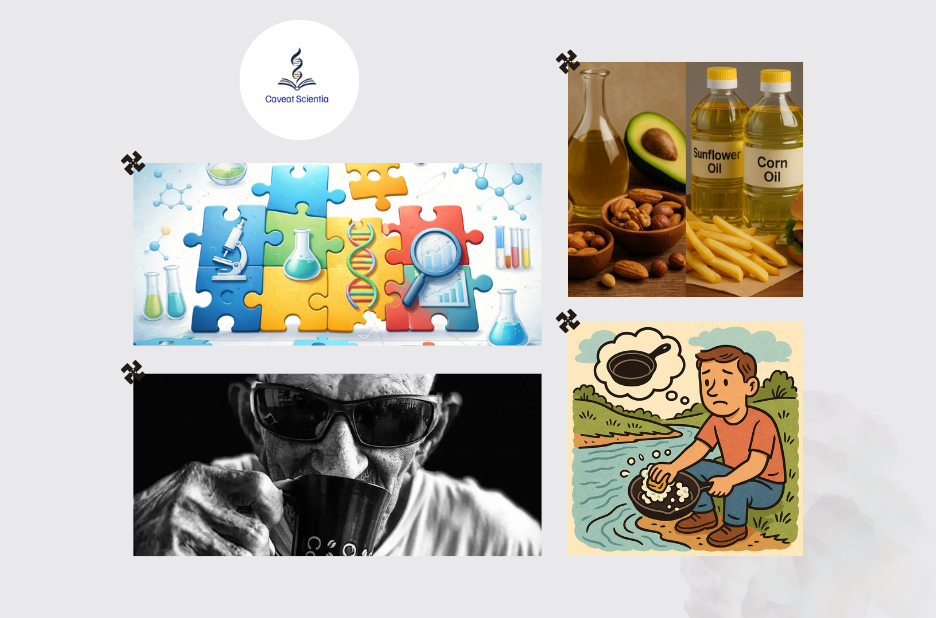
The Importance of Critical Thinking in Science Education
In today’s fast-paced world, the ability to think critically is more essential than ever, especially in the realm of science. Science is not just a collection of facts; it is a systematic process of inquiry that involves questioning, analyzing, and interpreting information. Teaching Critical Thinking Through Science encourages Teaching Critical Thinking Through Science students to move beyond memorization and fosters a deeper understanding of scientific concepts. This approach equips learners with skills to evaluate evidence, identify biases, and understand the scientific method, ultimately shaping thoughtful and informed individuals prepared to tackle complex issues.
Strategies for Encouraging Analytical Skills in Science
To nurture critical thinking, educators can employ various strategies tailored to scientific learning. One effective method is to engage students in hands-on experiments that require hypothesis formulation, observation, and data analysis. Encouraging open-ended questions and fostering classroom discussions helps students articulate their How To Identify Misinformation in Science reasoning and confront alternative viewpoints. Additionally, integrating real-world scenarios where scientific principles apply allows learners to connect theory with practice. These approaches not only promote analytical thinking but also inspire curiosity and a passion for discovery.
How To Identify Misinformation in Science
With the abundance of information available online, separating fact from fiction can be challenging. Teaching students How To Identify Misinformation in Science is crucial for developing their ability to discern credible sources from misleading or false claims. Key techniques include verifying the credentials of authors, checking the publication date, and comparing information across multiple reputable outlets. Understanding the difference between peer-reviewed research and opinion pieces also plays a significant role. Furthermore, recognizing logical fallacies and emotional appeals in science communication helps individuals avoid being swayed by unsupported statements.
Conclusion
Integrating critical thinking skills into science education empowers learners to navigate the vast ocean of information with confidence and discernment. By cultivating an evidence-based mindset, students are better equipped to challenge myths and question assumptions, leading to a more scientifically literate society. Caveat Scientia exemplifies this approach by providing resources that emphasize teaching critical thinking through science, helping individuals evaluate research thoroughly and make informed decisions grounded in accurate scientific understanding. This literacy-focused model is essential for fostering a generation capable of navigating today’s complex scientific landscape.