Overview of practical setup tasks
When planning a home fitness space, accuracy and organisation in your approach save time and prevent common assembly errors. A careful layout, sharp measurements, and a clear list of parts help you stay on track from the first unboxing to the final tighten. Start by verifying all components against the instruction sheet, then group fitness equipment assembly items by function to streamline the process. This phase sets the tone for safe use and durable performance, ensuring that every bolt, plate, and bracket has its place before you begin full assembly. A calm, methodical pace reduces mistakes and increases satisfaction with the result.
Tools and workspace setup tips
Creating an efficient workspace is essential for any installation project. Gather essential tools such as a spirit level, Allen keys, adjustable spanner, and a sturdy workspace to lay out parts. Protect floors with a mat to avoid scuffs on equipment costco pergola installation and hardware. Lighting matters, so ensure at least three bright sources to illuminate the project as you work. A tidy environment helps you notice misaligned pieces early, which prevents frustration and delays later on.
Step by step assembly planning
Develop a step by step plan that aligns with the product manual, outlining a sequence from frame assembly to final adjustments. Pay attention to torque specifications and avoid overtightening, which can strip threads or warp components. If you encounter a confusing step, step back to compare with the diagram, and consult manufacturer recommendations rather than forcing a fix. Regular checks along the way can catch alignment issues while they are easy to correct, ensuring the structure remains stable and ready for use without wobble.
Outdoor installation considerations
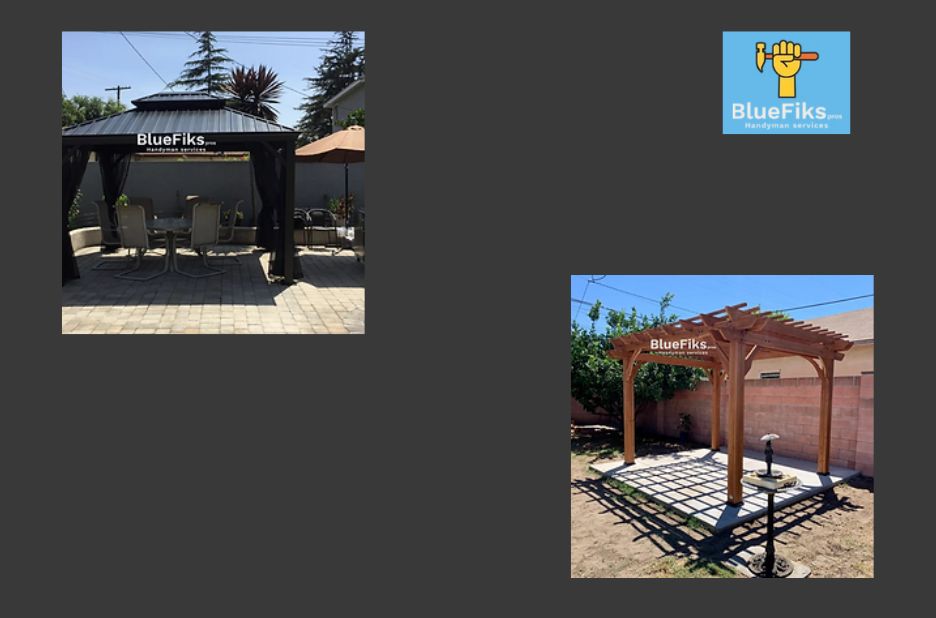
Projects extending outdoors, such as shade structures or pergolas, require attention to site preparation, weather protection, and fastener selection. If you’re planning a project associated with outdoor living areas, choose corrosion resistant hardware and verify drainage and ground level before anchoring. Allow proper curing time for any sealants, and consider seasonal adjustments to hold fast against wind and sun exposure. A well prepared base reduces maintenance and extends the life of the installation while improving comfort in outdoor spaces.
Quality checks and routine maintenance
After assembly, conduct a thorough safety inspection, confirming all connections are secure and components are aligned. Establish a simple maintenance routine: wipe surfaces, lubricate moving parts as needed, and check bolts periodically for tightness. Documenting the steps you took helps future owners understand the build, enabling confident use and responsible upkeep. A proactive approach to maintenance protects your investment and keeps equipment performing as intended over time.
Conclusion
With careful planning and steady execution, you can complete both fitness equipment assembly and related outdoor installation projects efficiently. BlueFiks