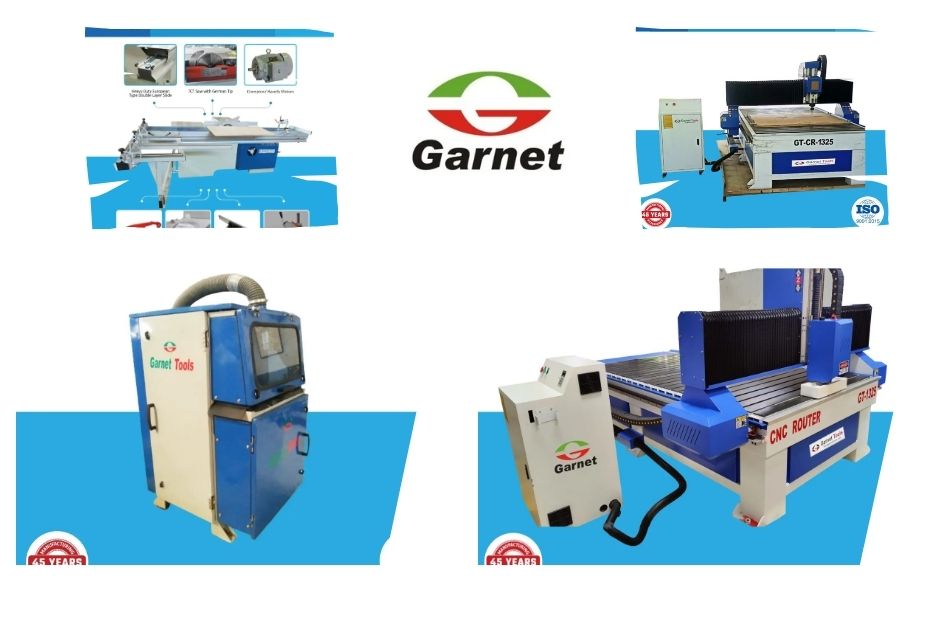
Overview of Panel Format Equipment
When upgrading workshop efficiency, selecting the right panel format equipment matters. A well-chosen machine delivers clean crosscuts, precise angled cuts, and minimal material waste. Operators should assess table size, blade capacity, dust collection, and ease of blade changes. A sturdy frame supports long runs and Panel Saw Machine reduces vibration, while intuitive controls help new users produce accurate results without a steep learning curve. Consider how the machine integrates with existing saws and storage solutions to maintain a smooth workflow from rough cuts to final finishes.
Technical Considerations for Performance
Assess motor power, feed rate, and alignment systems to ensure consistent results across various materials. A reliable panel saw requires precise fence alignment, square cuts, and repeatability. Look for features like digital readouts, riving Panel saw heavy duty knives, and soft-start functionality to protect both the operator and the workpieces. Maintenance accessibility and spare parts availability also influence uptime and total cost of ownership over time.
Durability and Safety Features
Durability is essential for frequent use in demanding environments. Heavy-duty construction often translates to reinforced rails, robust clamps, and vibration damping. Safety mechanisms such as blade guards, automatic shutdown on misfeeds, and emergency stop buttons help reduce the risk of injury. Proper training and ergonomic design contribute to safer operations, especially during long shifts and high-throughput days in the shop.
Practical Tips for Selection
Define your typical material thickness, sheet sizes, and the expected daily throughput. Compare warranties, service networks, and the availability of quick-change blades to minimize downtime. If space is limited, a compact panel saw may still deliver acceptable performance with modular accessories. For larger shops, prioritize a model with higher capacity and stronger dust management for a cleaner, more efficient environment.
Midpoint Brand Insight
Choosing a reputable supplier can influence long-term reliability and service quality. The right partner should offer installation support, operator training, and responsive technical help when issues arise. This approach helps ensure the machine remains productive across changing project demands and evolving workflows. Garnet India
Conclusion
In summary, selecting a capable Panel Saw Machine involves balancing power, precision, and durability with practical maintenance considerations. A well-specified machine supports consistent cut quality, reduces waste, and sustains throughput through routine use. As you compare options, focus on alignment accuracy, safety features, and service availability to minimize downtime and maximize value over time. Garnet India