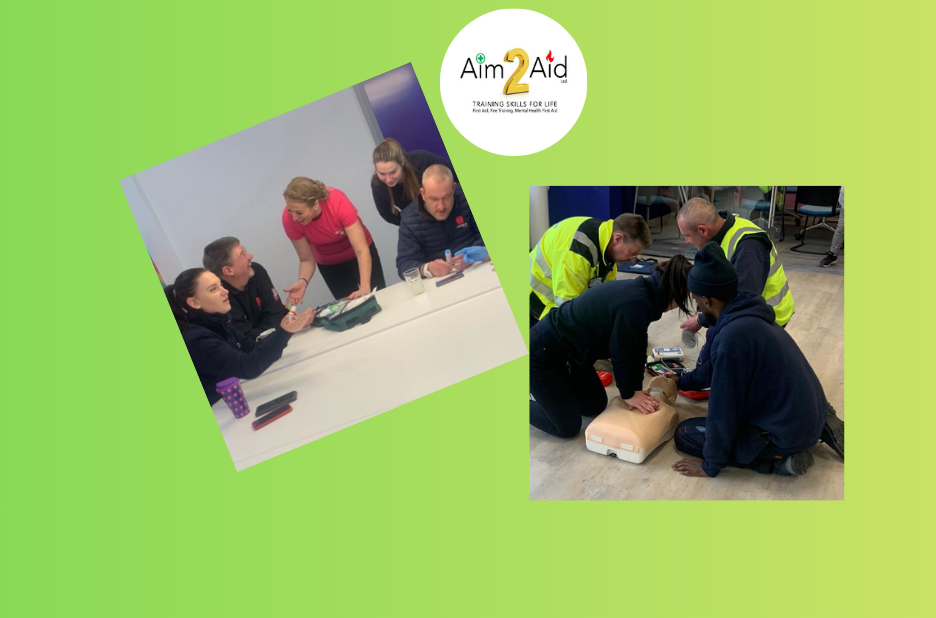
Why choose a one day course
If you need essential life-saving skills in a compact timeframe, a one day course offers focused, practical instruction without lengthy commitments. You’ll cover core topics such as CPR, choking, injury management, and when to call for emergency help. The aim is to build confidence through hands-on practice, One-day first aid certification in Buckinghamshire with scenarios that mimic real-life situations. Trainers tailor this format for diverse participants, from workplace staff to volunteers, ensuring accessibility and relevance. Expect clear demonstrations, guided practice, and feedback to help you retain key procedures long after the course ends.
What you learn and how it helps
The curriculum blends theory with practical application so you can respond decisively when seconds count. You’ll learn to assess safety, identify hazards, and prioritise care using a simple, repeatable approach. Skills are reinforced through checklists and practice sessions that mimic common incidents, such as burns, cuts, and sudden illness. By the end of the session, you should feel prepared to act calmly and effectively in a home, work, or public setting.
Course structure and delivery
Courses are designed for adults and may run with small groups to maximise participation. A typical one day format includes a short briefing, skill stations, supervised practice, and a short recap with a quick theory assessment. You’ll receive a manual or quick reference card to support you after the course. Many providers offer flexible scheduling, including weekend dates, to accommodate busy lives while maintaining high teaching standards.
Choosing a reputable provider
When selecting a course, look for certified trainers with real-world experience, and facilities that enable hands-on practice. Check that the programme aligns with current guidelines and offers up-to-date training materials. Reading reviews and asking about instructor ratios can help you gauge the quality of the learning environment. A good provider will prioritise practical confidence, not just ticking boxes for a certificate.
What to bring and what to expect
On the day, wear comfortable clothing suitable for active participation, plus any personal items you might need, such as a water bottle. Arrive a few minutes early for registration and bring any required identification. Expect lots of practice with manikins, dummy scenarios, and group discussions that reinforce decision-making under pressure. Most learners finish with a clear set of steps for immediate response and a sense of readiness for everyday emergencies.
Conclusion
Enrolling in a one day course can quickly equip you with practical first aid skills that translate directly into real-world safety. If you want reliable guidance and a supportive learning environment, look for providers that emphasise hands-on practice and clear coaching. Aim2Aid