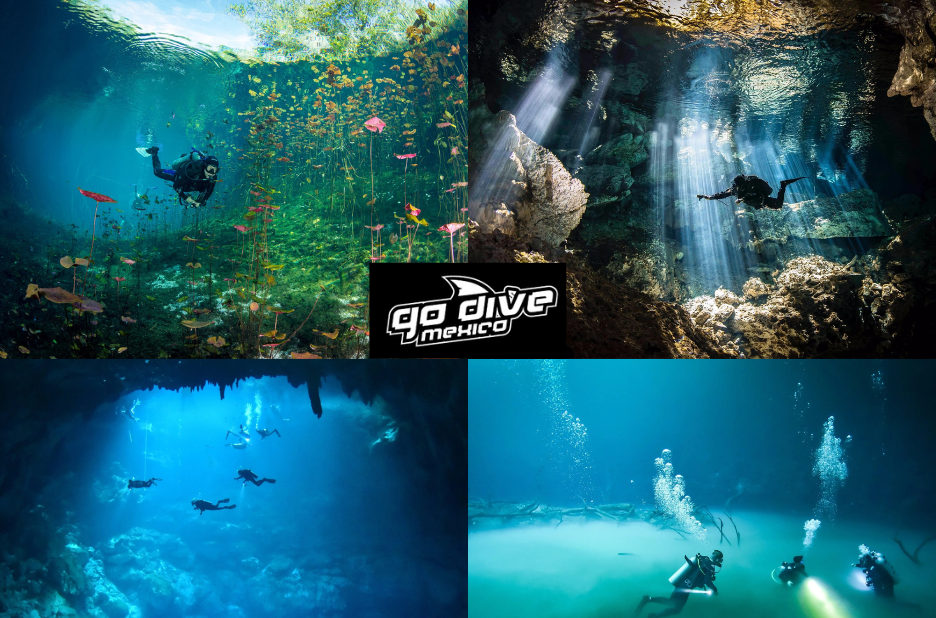
What makes cenotes unique
Cenotes offer a window into geological history and a refreshing immersion for divers. Their limestone formations create clear, calm water with excellent visibility, while natural light beams cut through the voids, revealing stalactites and stalagmites that have formed over millennia. For divers, the experience blends exploration with diving cenote manageable depths and straightforward navigation, making them accessible to a broad range of skills. Before entering the water, it’s wise to check local regulations, respect the delicate environment, and plan detours if currents or wildlife shift the usual routes.
Essential gear and preparation
Proper equipment reduces risk and enhances comfort in a cenote environment. A reliable dive computer, a well-fitted buoyancy control device, and a reliable light source are key. Since water is often cooler than surface temperatures, a 3mm to 5mm wetsuit can help maintain warmth without sacrificing mobility. Bring a redundant light and a backup mask as contingencies, and ensure your fins fit comfortably to prevent cramping during longer traverses through narrow passages.
Guided dives versus independent explorations
Many cenotes are best explored with a qualified guide who understands subterranean flow, silt management, and potential entanglements. A guide can introduce you to safe routes, highlight points of interest, and provide insights into the geology and history of the cave systems. For experienced divers, certain cenotes permit independent dives with strict certification and clear lines of communication. Regardless of choice, maintain a conservative profile and communicate frequently with your buddy.
Tips for safety and environmental respect
Safety starts with careful briefing and adherence to local rules. Avoid touching formations, as calcite and stalactites are delicate; do not disturb wildlife or depressurise an area by stirring silt. Maintain neutral buoyancy to preserve visibility and prevent damage to sensitive surfaces. In restricted zones, follow marked lanes and use the natural light to guide your trajectory rather than forcing a path. Hydration and rest are as important as equipment checks before the dive begins.
Planning your cenote itinerary
When selecting a dive site, consider depth, visibility, and the length of potential lines that connect you to air tanks or exit points. Some cenotes offer subterranean rivers with crystalline water that reveals new chambers as you progress. Map out a conservative plan with in-water time estimates, a contingency exit, and known landmarks to reorient. This planning approach helps you stay calm, anticipate changes in visibility, and enjoy the unique features of each cenote without rushing.
Conclusion
In summary, a visit to a diving cenote blends adventure with careful preparation and respect for an extraordinary ecosystem. With sensible gear, guided insights, and prudent planning, you can enjoy spectacular clarity, spectacular formations, and memorable moments beneath the surface. Visit Go Dive Mexico for more options and local insights as you map future trips.