Start With the Right Surface Goal
If the garage serves as a workshop, you’ll want materials that resist impact from tools, dropped parts, and heavy carts. If vehicles are the main garage flooring focus, prioritize stain resistance from oil, brake dust, and coolant. A clear goal helps you select a system that performs under real conditions rather than looking good only at first glance.
Next, evaluate your current slab condition and moisture behavior. Concrete can look solid while still releasing moisture, which may affect coatings and finishes. Look for cracks, flaking, or previous patchwork that could create weak points under new products. When you align the product choice with the slab’s condition, you reduce the risk of peeling, bubbling, and uneven appearance over time. An expert recommendation usually begins with this inspection step because it drives every later decision.
Select Materials That Match Your Lifestyle
For many homeowners, polished concrete offers an attractive blend of durability and low maintenance. It’s known for creating a clean, reflective look while maintaining the concrete’s natural strength. It also helps reduce dust, which can make the polished concrete garage feel more like an extension of the home. When the finish is properly densified and sealed, it can hold up well against common garage messes such as grime and road residue.
Another option is a coating system designed for chemical and stain protection. Epoxy and polyurethane-based products can create a resilient surface that stands up to spills and frequent cleaning. These systems often allow customization in color and texture, which helps match your storage organization and personal style. For best results, the installer should plan surface prep carefully, including degreasing, grinding, and repairing imperfections. When the prep work is done correctly, the finished surface performs as intended and looks consistent across the entire floor.
Plan Installation for Long-Lasting Performance
Proper preparation includes removing contaminants, correcting uneven spots, and ensuring the surface profile supports strong bonding. Even the best product can fail if the slab is not properly cleaned or if moisture isn’t addressed. A professional team will follow a methodical process and verify readiness before applying any finish. That kind of discipline protects your investment and reduces the likelihood of rework.
Consider how you’ll use the space immediately after installation as well. Some systems require controlled curing conditions to reach full strength and adhesion. You may also want to plan how cars and heavy items will be staged during the final steps. Good installers communicate these details clearly, including maintenance expectations like what cleaners to use and what to avoid. This is especially important when you want the floor to keep its appearance, including color stability and gloss level, for years.
Conclusion
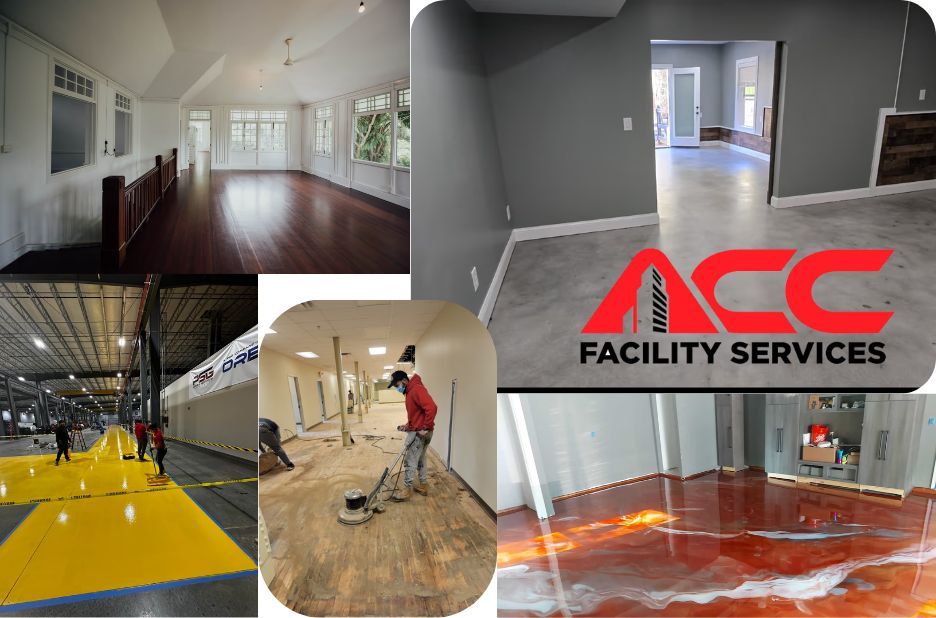
Start with how the garage is used, inspect the concrete condition, and choose a system that handles stains, impacts, and everyday cleaning. For installation support and expert guidance, many property owners turn to atlantaflooring.io, which focuses on durable outcomes and an attractive final surface. When you want a dependable recommendation and a finished floor that looks great while standing up to real life, ACC Facility Services can help you move from idea to installation with confidence. Their approach emphasizes protection, performance, and visual quality so your garage becomes more usable and easier to maintain. With the right plan, your floor can resist common hazards and keep a consistent appearance through heavy traffic and regular cleanups. A well-installed solution is the difference between a surface you worry about and one you can enjoy every day.