Market overview for exporters
The steel sector continues to adapt to global demand by streamlining supply chains and refining production methods. Companies focused on steel structures are evaluating procurement cycles, international standards, and the logistics that govern cross border shipments. A pragmatic approach hinges on understanding trade agreements, tariff implications, and timing to align Steel Structure Exports fabrication schedules with customer timelines. Businesses often track material costs, fuel prices, and currency fluctuations to maintain competitive pricing. By building robust data around supplier performance and project requirements, exporters can predict risk and optimise their operating margins across diverse markets.
Key considerations for fabricators
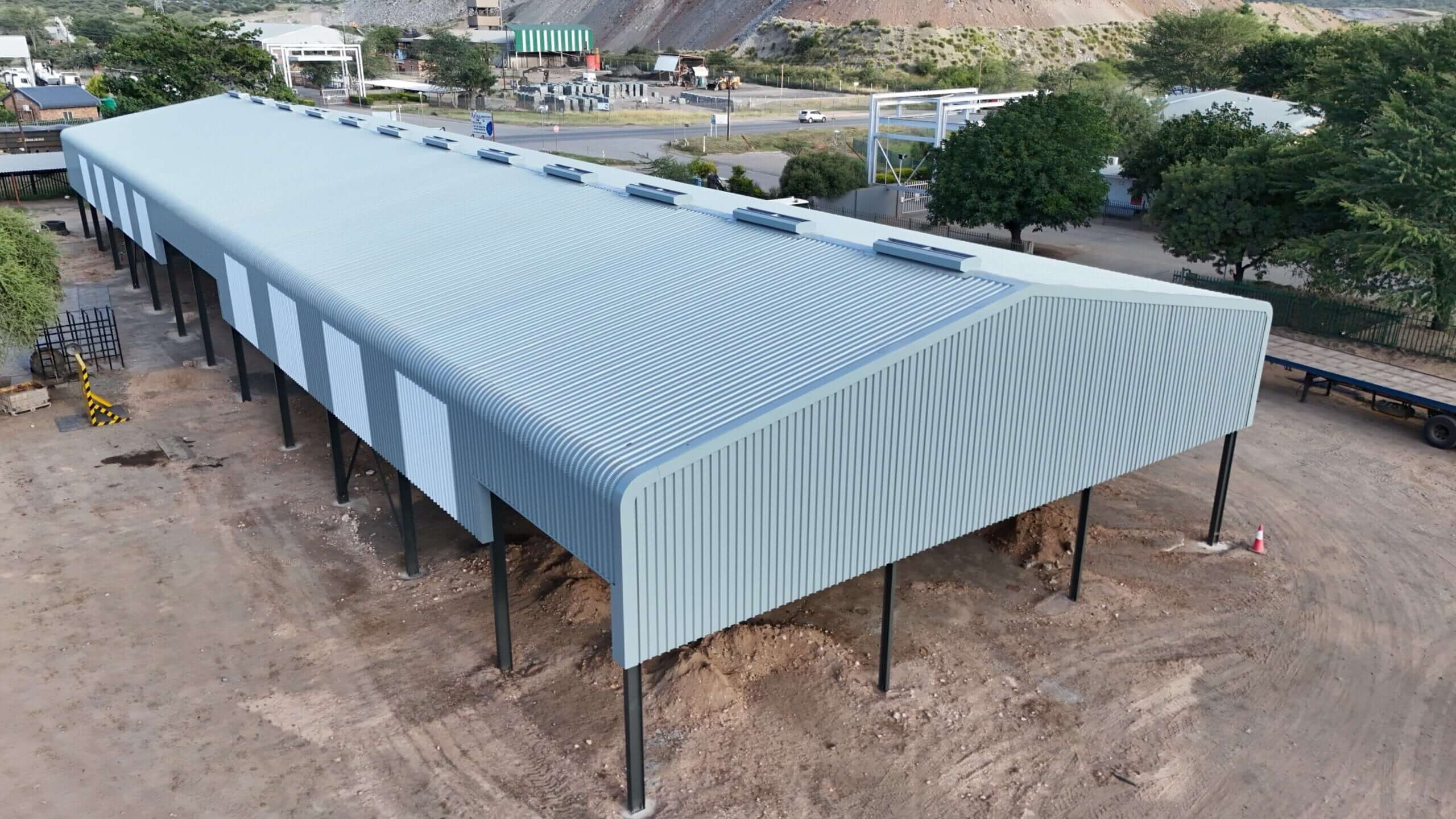
Fabrication teams prioritise precision, consistency, and repeatability when delivering large components. Advanced cutting, welding, and finishing processes reduce on site delays and enhance build quality. Efficient project management systems enable real time updates on progress, materials, and crane Steel Frame Building operations. Adopting modular design principles helps teams anticipate on site assembly challenges and accelerates completion. Through disciplined quality control and clear documentation, contractors minimise rework and protect timelines for multi unit deployments.
Logistics and compliance challenges
Shipping steel products involves careful routing to avoid damage and ensure timely delivery. Exporters assess container capacity, weight restrictions, and secure packaging to withstand long journeys. Compliance with international standards for material testing, marking, and traceability is essential. Insurers and lenders often require documented risk assessments and salvage plans for complex projects. By coordinating with freight forwarders and local partners, firms can reduce lead times and improve visibility across stages of the supply chain.
Client expectations and project delivery
Customers increasingly expect transparent communication, accurate budgeting, and reliable scheduling for steel frame building projects. Teams map milestones from design finalisation through on site construction and handover, detailing responsibilities and dependencies at each phase. Early collaboration with engineers and vendors supports value engineering while preserving structural integrity. By documenting performance metrics, firms build trust with clients and position themselves for repeat, long term engagements.
Manufacturing trends and investment
Industry players are investing in automation, digital twins, and resilient supply networks to safeguard against disruption. Local fabrication facilities paired with global sourcing deliver flexibility and competitive pricing. Embracing innovations in corrosion protection, load optimisation, and modular assembly enables faster deployment of large scale projects. As demand grows, manufacturers prioritise skilled labour development and safety culture to sustain quality across diverse builds.
Conclusion
In today’s market, strategic planning, rigorous quality control, and strong supplier partnerships are essential for success in Steel Structure Exports and when delivering Steel Frame Building projects. By continually refining processes, firms can meet tight timelines while maintaining safety and compliance. Visit Tugela Steel for more insights and guidance on similar projects.