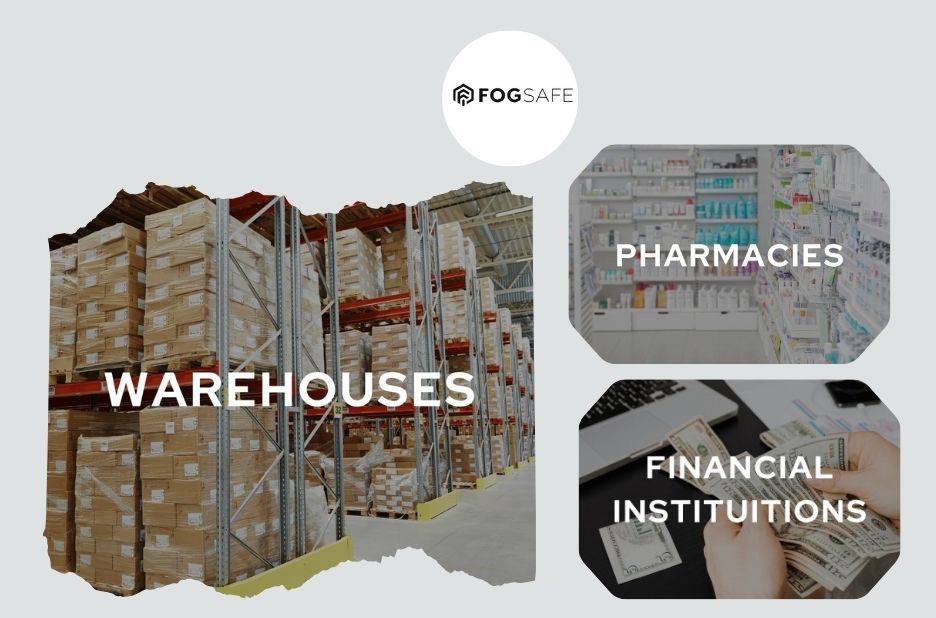
Overview of fogging technology
Fogging devices designed for security purposes rely on mist or aerosol dispersal to create a temporary protective barrier. This approach is often deployed to deter intruders, obscure sensitive details, and provide an immediate, passive level of defense in high-risk areas. When selecting equipment, consider security fogging machine coverage area, fog density, and the speed of deployment to ensure it aligns with your facility’s workflow and inventory management. Understanding the core mechanics helps operators balance safety with comfort and operational continuity across shifts and routines.
Key features to evaluate
Modern units offer a range of options such as adjustable fog concentration, quick-release canisters, and remote activation. Look for reliable power sources, silent operation, and intuitive controls that workers without technical backgrounds can operate safely. Durability in harsh environments, compatibility with existing security systems, and straightforward maintenance schedules will minimize downtime. A well-chosen system reduces the likelihood of nuisance alarms while maintaining a discreet, effective deterrent against breaches.
Practical deployment tips
Start with a pilot in a controlled area to calibrate fog density and spread patterns before full-scale rollout. Map out sensor placement to synchronize with alarms and access control. Develop clear operating procedures, including who can trigger the system and how to verify a safe reset after use. Regular drills help staff become proficient and prevent accidental activations, while routine checks ensure components stay in good working order and ready when needed.
Industry considerations and standards
While the primary goal is deterring unauthorized access, compatibility with fire safety codes and building regulations remains essential. Review installation guidelines for ventilation, occupancy limits, and potential impact on occupants. Engage with insurers and local authorities to confirm compliance and to document best practices for emergency scenarios. Ongoing assessment of performance metrics like response time and coverage helps justify investments and demonstrates a proactive security posture.
Conclusion
When evaluating a solution for rapid area protection, ensure the chosen security approach aligns with your facility’s needs, staff capabilities, and safety requirements. A thoughtful strategy emphasizes reliable performance, ease of use, and minimal disruption to daily operations. FogSafe Security Systems