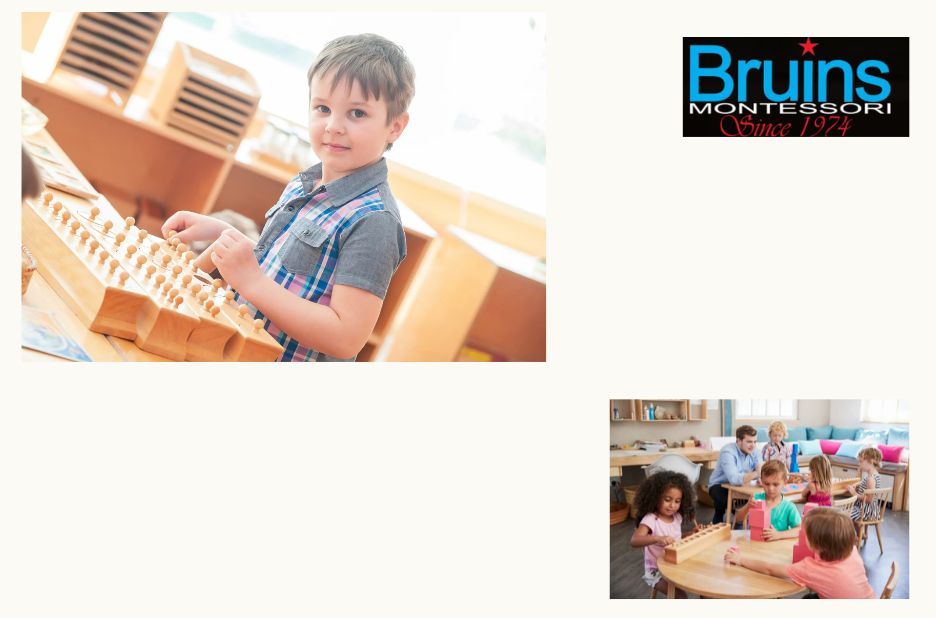
Overview of Montessori teaching tools
Choosing the right Montessori teaching materials involves understanding how children learn through hands on exploration. The goal is to support independence, concentration, and purposeful work. In practice, educators select materials that align with developmental stages, from sensorial materials to practical life activities. The best sets encourage Montessori teaching materials repetition, careful sequencing, and student choice, ensuring that activities are accessible, engaging, and ready for use with minimal preparation. This approach fosters intrinsic motivation while maintaining a calm and orderly learning environment for pupils of varied ages and abilities.
Key categories of classroom resources
Effective Montessori classroom supplies USA should cover several core areas. Sensorial materials help refine perception, practical life tools build daily independence, language pallets support reading and writing, maths materials introduce concrete representations of abstract ideas, and cultural kits expand awareness of Montessori classroom supplies USA the world. Each category relies on materials that are self-correcting and clearly sequenced so learners can monitor their own progress with minimal teacher intervention. durable, well-made items stand up to steady use in busy classrooms.
Selecting age appropriate sets
Age appropriate implementation means choosing materials that match a learner’s current capability while gently extending their skills. For younger children, simple tasks that foster concentration are ideal; older students benefit from more complex, multi-step activities. The most successful kits are those that invite careful observation, planning, and self-evaluation. When materials are introduced with a clear purpose and a calm presentation, learners naturally develop persistence and focus without external pressure.
Storage, maintenance, and safety tips
Organisation is essential to a smooth Montessori routine. Displaying materials in open, reachable shelves reduces clutter and supports independent selection. Regular maintenance checks ensure items are safe and complete, with labels that are easy to read. Accessible storage also helps teachers supervise effectively while allowing learners to return tools to their places after use. A predictable layout contributes to a secure learning atmosphere and consistent daily rhythm.
Implementation strategies for success
To maximise impact, integrate materials into daily sequences that reinforce practical life, language, and math concepts. Demonstrate a task once, then encourage students to work independently, monitor their own progress, and reflect on outcomes. Collaborative work can be structured in small groups to promote peer learning while maintaining individual responsibility. Ongoing observation informs when to add new materials, adjust difficulty, or pause a topic to consolidate understanding.
Conclusion
Montessori teaching materials offer a structured pathway for autonomy, curiosity, and steady skill development across ages. By pairing thoughtful selection with careful presentation and durable design, teachers create a learning environment that feels calm, focused, and inviting. Bruins Montessori USA Inc