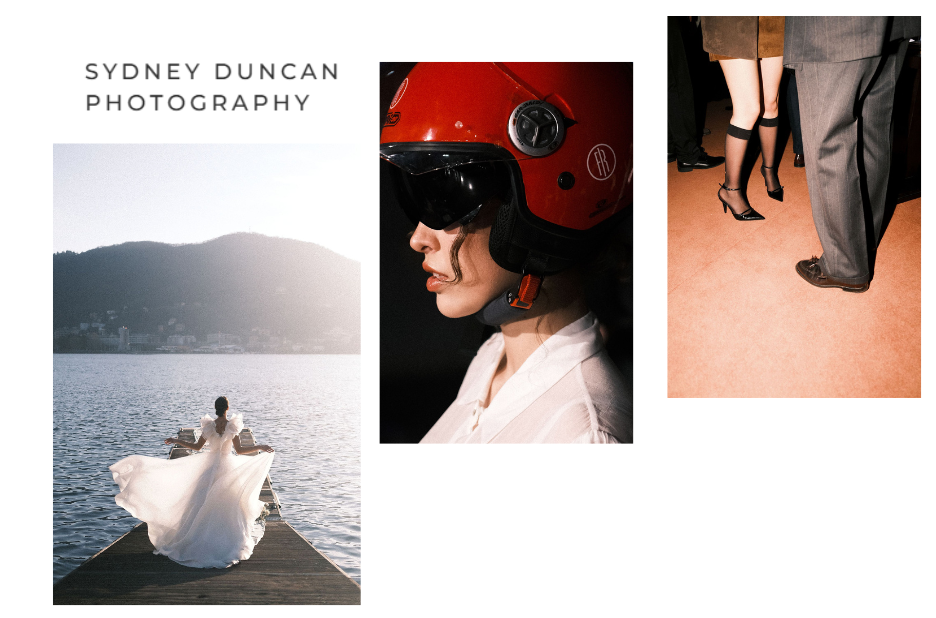
Overview of Milan trends
The latest fashion calendar spotlights Milan, where designers unveil collections that blur the line between art and attire. Street photographers and house editors converge, capturing the mood as models glide through show spaces and city streets alike. This section anchors readers in the atmosphere surrounding the runways, offering a practical lens on what to expect in Milan Fashion week photos terms of silhouette, color, and texture for the season. Viewers will notice how lighting, posture, and pace influence the way garments read in photos, underscoring the editorial craft that shapes public perception of a collection. Milan’s energy translates into a tangible sense of movement and possibility.
How photographers curate moments
In these pages, the craft of photography is a study in timing and composition. Photographers seek decisive moments—how a sleeve catches a beam of light, how a fabric drape falls as a model steps forward, or how an accessory completes a look. The discipline combines technical precision with spontaneous energy, ensuring each frame tells part of the collection’s narrative. Observers learn to read relationships: between designer intention and street style, between texture and shadow, and between runway choreography and candid backstage reactions that reveal personality and context.
Editorial voice and collective memory
Galleries like these become chronicles of a city’s style pulse, preserving a record of how a season felt as it unfolded. The best photos convey not just garments, but the attitudes that accompany them—confidence, playfulness, rebellion, and refinement. Readers gain a practical understanding of how trends travel from runway notes to street corners, and how photography translates fabric behavior into visual cues for designers, buyers, and enthusiasts alike. The collection of images forms a narrative tapestry that helps audiences anticipate upcoming wardrobes with clarity and curiosity.
Practical tips for fans and buyers
For enthusiasts and industry professionals, this collection offers actionable insight. Look for silhouettes that prioritize mobility, fabric choices that signal seasonality, and color stories that harmonize with urban environments. Observers can track how accessories shift from statement pieces to versatile daily wear, gauge how footwear futureproofs outfits, and assess how layering or minimalism evolves under modern lighting. The photography acts as a visual guide for curating personal wardrobes that echo the season’s spirit while staying adaptable to various occasions.
Conclusion
The archive of Milan Fashion week photos provides a grounded look at how fashion translates into everyday wear, emphasizing utility alongside elegance. It’s a practical reference for styling choices, showing how designers balance bold ideas with wearable realities. Sydney Duncan