Industry overview
The electrical components sector in India has seen steady growth as manufacturers adapt to rising demand for reliable resistance devices. Companies focus on quality control, material selection, and scalable production methods to meet varied client needs across power, electronics, and industrial sectors. A resistor manufacturing company resistor manufacturing company in india in india typically combines traditional craftsmanship with modern automation to balance cost efficiency and product performance. Customer requirements drive standards for tolerance, temperature stability, and long-term reliability, making continuous process improvement essential for competitiveness in a crowded market.
Product materials and design
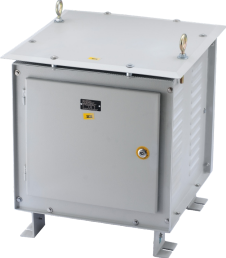
In modern resistance products, material choice significantly influences efficiency and durability. Engineers examine conductor metals, ceramic coatings, and encapsulation to ensure heat dissipation aligns with operating conditions. Among critical options, aluminium housed resistors offer a lighter, cost effective aluminium housed resistors solution for many applications while maintaining structural integrity and electrical performance. The design process emphasises safe handling, mounting compatibility, and compliance with safety and environmental regulations to satisfy diverse global customer bases.
Manufacturing capabilities and standards
Resistor production hinges on precise winding, coating, and testing to guarantee performance under stress. Advanced automation lines, rigorous quality checks, and traceability practices help ensure each unit meets specifications. Adherence to international standards supports export potential and customer confidence. Manufacturers also invest in skill development and predictive maintenance to reduce downtime, optimise throughput, and extend equipment life, enabling steady delivery schedules for even large-scale orders.
Applications and markets
Resistors play a pivotal role in power conversion, motor control, and signal conditioning across industries such as automotive, telecommunications, and energy distribution. For many end users, reliability and longevity are as important as initial cost. The market rewards suppliers who can offer scalable configurations, customised ratings, and efficient after sales support. As technology evolves, the demand for robust, compact, and heat resistant components continues to rise, underscoring the value of experienced manufacturers who can tailor solutions to specific operating environments.
Quality, testing, and aftercare
Quality assurance is built into every stage of production, from raw material inspection to final functional tests. Testing protocols cover electrical performance, thermal cycling, vibration, and environmental exposure to verify resilience. Documentation and certification accompany shipments to ease qualification processes for customers. Aftercare services, including spare parts, repair options, and technical guidance, help maintain system uptime and extend the lifespan of installed resistors, reinforcing trust between suppliers and clients.
Conclusion
Choosing the right supplier means prioritising reliability, consistency, and responsive support to fit evolving requirements. A solid provider will offer clear specifications, adaptable configurations, and transparent quality records that reassure procurement teams during project planning and rollout. Visit Onics power resistor for more insights into specialised components and practical guidance for ongoing maintenance and replacement planning.