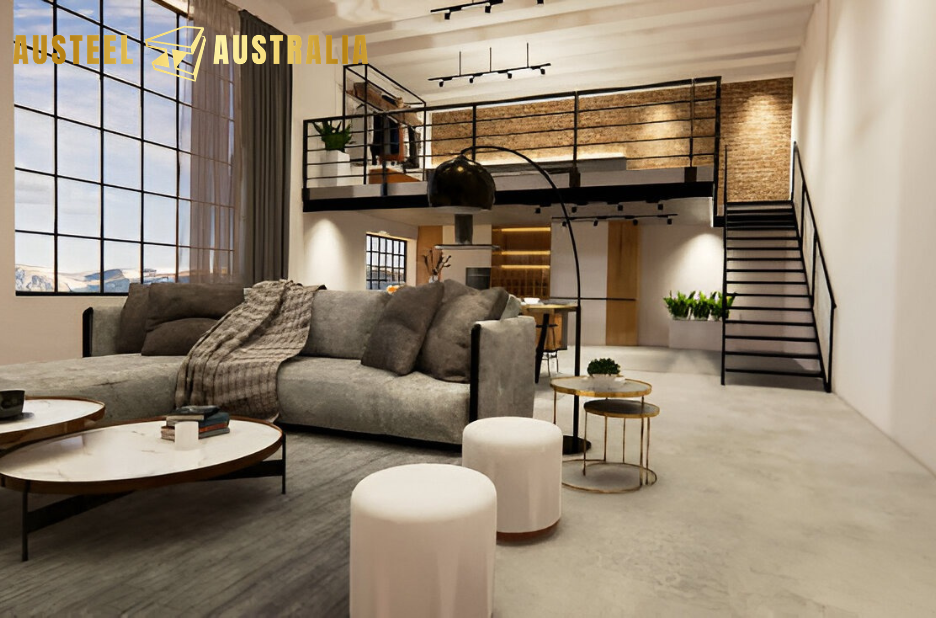
Overview of steel fabrication
Providing structural integrity for modern buildings starts with precise fabrication and careful planning. Skilled teams translate design drawings into real components, ensuring tolerances, weld quality, and fit. This stage connects architectural intent with engineering requirements, balancing cost, schedule, and durability. For projects Fabrication In Steel Structure ranging from commercial spaces to industrial facilities, accurate fabrication in steel structure processes reduce rework and help maintain timelines. Early coordination with fabricators, detailers, and erectors keeps crews aligned and minimizes conflicts during erection and assembly.
Materials and detailing essentials
Material selection is driven by load conditions, environmental exposure, and fire safety codes. Fabricators evaluate grades, thicknesses, and corrosion resistance to optimize performance while controlling weight and cost. Detailing includes connection types, bolt patterns, and welding specs, Expert Store Fit Out Services all of which influence installation speed and structural behavior. Close collaboration with engineers ensures that every member suits the overall frame and integrates with nonstructural elements such as cladding and interior partitions.
Quality control and testing practices
Quality control begins with material traceability and ends with final inspections. Fabrication in steel structure relies on controlled shop conditions, welding procedure specifications, and nondestructive testing to verify weld integrity and material continuity. Inspectors monitor dimensional accuracy, fit-up, and surface preparation. When issues arise, corrective actions are documented and resolved before components leave the shop, reducing onsite delays and ensuring safety during erection and connection of major assemblies.
Project coordination and timelines
Effective coordination aligns fabrication milestones with procurement, shipping, and field installation. Scheduling considers weather, crane availability, and sequencing of assemblies. By adopting a modular approach when appropriate, teams can preassemble sections offsite and transport them for rapid on-site assembly. Clear communication among fabricators, contractors, and clients helps identify risk factors early and keeps the project on track while preserving design intent and structural performance.
Strategic role of expert services
Expert Store Fit Out Services play a critical part in translating structural capabilities into usable interior environments. They bridge the gap between heavy structural work and finished interiors, ensuring that partitions, services runs, and fixtures integrate with the steel framework. Early collaboration on interior fit-out needs can prevent clashes and streamline trades coordination, improving overall project efficiency and client satisfaction.
Conclusion
In practice, a thoughtful approach to Fabrication In Steel Structure underpins durable, efficient building projects. From initial detailing to final installation, disciplined processes and cross-disciplinary teamwork minimize risk and support on-time completion. For practitioners seeking comprehensive solutions and reliable execution, the field benefits from experienced partners who combine technical rigor with practical insight, including a steady emphasis on safety and quality in every phase. Austeel