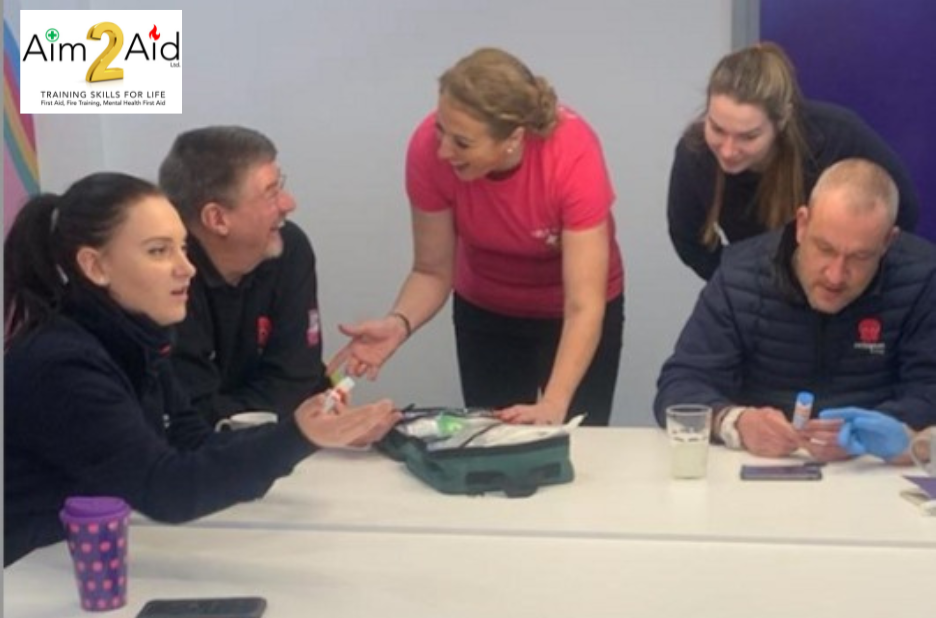
Overview of mhfa training options
Choosing the right mhfa training path can be daunting, especially when you want a course that fits around work and life. An mhfa certificate hampshire is often sought by individuals aiming to support people experiencing mental health challenges in community settings. Courses typically cover recognising early warning signs, providing initial help, and knowing mhfa certificate hampshire when to seek additional professional assistance. Practical content, realistic role plays, and local scheduling options help learners apply what they study in real life. When assessing providers, consider safety standards, trainer experience, and the availability of flexible booking to reduce disruption to daily commitments.
What the qualification covers and why it matters
Core elements usually include mental health first aid principles, crisis response, and initial care steps designed for non-clinical responders. The mhfa certificate hampshire demonstrates foundational competencies that enable you to act with confidence in schools, workplaces, and community groups. Participants often gain tools to communicate effectively, de‑escalate tense situations, and signpost to appropriate services. Completing the programme can also bolster personal resilience, reduce stigma, and foster a supportive atmosphere where people feel safe to talk about their mental health concerns.
Choosing the right trainer and course format
Quality instruction matters as much as content. Look for trainers with real world experience and a clear assessment approach. Some courses are delivered in a single intensive session, while others spread across multiple days to accommodate busy schedules. Check whether the program uses updated guidelines and interactive methods such as scenario-based practice. Local delivery options in Hampshire may include weekend workshops or evening seminars, designed to fit working commitments without compromising learning outcomes.
Practical steps to enrol and what to expect
Before enrolling, verify the credential recognition and any prerequisites. Registration typically requires basic consent to participate in practical exercises, with a focus on confidentiality and respectful dealing with sensitive information. On the day, expect a mixture of short talks, group discussions, role plays, and hands‑on demonstrations. After completion you will receive the mhfa certificate hampshire, validating your ability to provide initial support and guidance, plus guidance on when to involve professional services and how to connect with local resources.
Conclusion
Enrolling in a mhfa certificate hampshire course can be a meaningful step for those who want to support others with compassion and practical know‑how. The programme equips you to respond calmly, listen actively, and help someone access further help when needed. Aim to pick a course with reputable tutors, accessible timings, and clear post‑course support. Visit Aim2Aid for more information and ideas on related training options in the region.