Heritage materials and craft
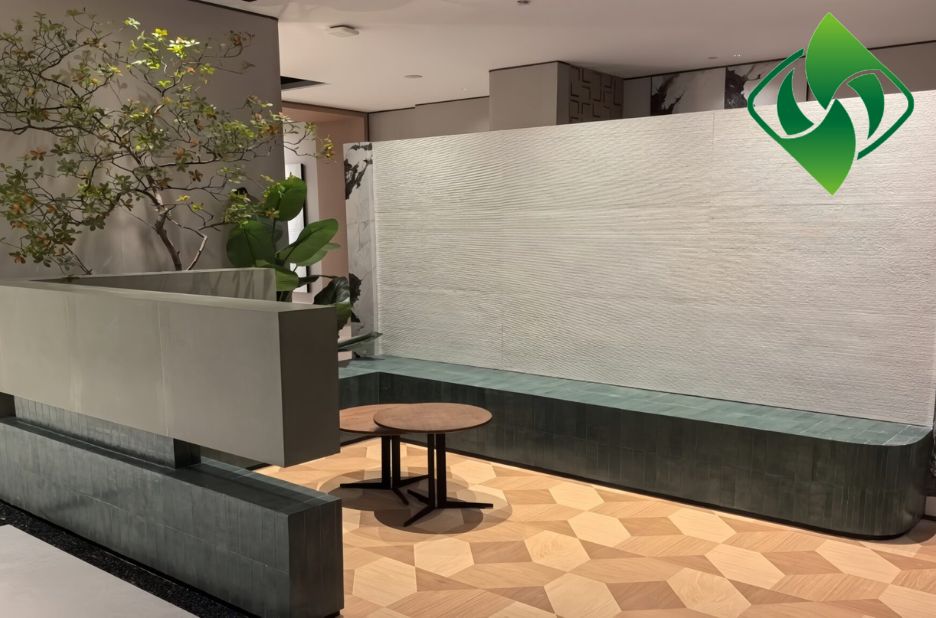
In modern interiors, authentic materials connect us to centuries of techniques, even as trends shift. The discussion of mcm stone reveals how natural textures and engineered surfaces can bring warmth, durability, and a tactile sense of place to kitchens, baths, and living spaces. By examining stone’s mcm stone varied palettes and the work that goes into finishing, homeowners gain appreciation for the skill behind countertops, tiles, and decorative accents. This section considers selection criteria, maintenance routines, and how stone ages gracefully when paired with contemporary design elements.
Design considerations and compatibility
A balanced approach pairs stone with other materials to create cohesive rooms. Pairing mcm stone with metals, woods, and soft textiles can yield a timeless yet modern feel. Lighting choices influence the perceived color and texture, while layout decisions impact flow gilded plate and functionality. The goal is to integrate stone in a way that honors its natural character without overwhelming other design features. Practical tips help ensure durability, ease of care, and lasting beauty in everyday spaces.
Crafted details and finishes
From honed to polished surfaces, finishes transform how light interacts with stone, revealing subtle veining and depth. In addition to surface texture, edge profiles and trimming details contribute to the overall aesthetic. For those drawn to traditional elegance, detailed profiles echo historical kitchens and baths, while contemporary installations favor crisp lines and seamless transitions. Each choice influences maintenance needs and how the piece ages with daily use, making informed decisions essential for long term satisfaction.
Historical context and modern relevance
Stone has long served as a marker of prestige and practicality. Modern builders and designers reinterpret traditional techniques to meet current standards for sustainability, efficiency, and performance. This perspective illuminates how centuries of quarrying, finishing, and installation knowledge shape today’s options. By understanding the lineage, homeowners can select materials that honor craft while delivering modern resilience and value.
Finding the right complements
Choosing complementary elements requires a measured eye for color, texture, and scale. When integrating unique pieces such as a gilded plate as a decorative accent, consider proportion and placement to avoid visual clutter. While gilded accents can elevate a space with luxe warmth, they should harmonize with stone tones and metal finishes. Practical planning includes budget alignment, supplier research, and clear expectations for maintenance and longevity.
Conclusion
Thoughtful material choices create enduring appeal by balancing natural character with purposeful design. Prioritizing compatibility, finish, and sustainable sourcing ensures that pieces like mcm stone remain relevant and cherished. Attention to detail, from edge profiles to occasional decorative accents, supports a cohesive look that endures beyond passing trends.