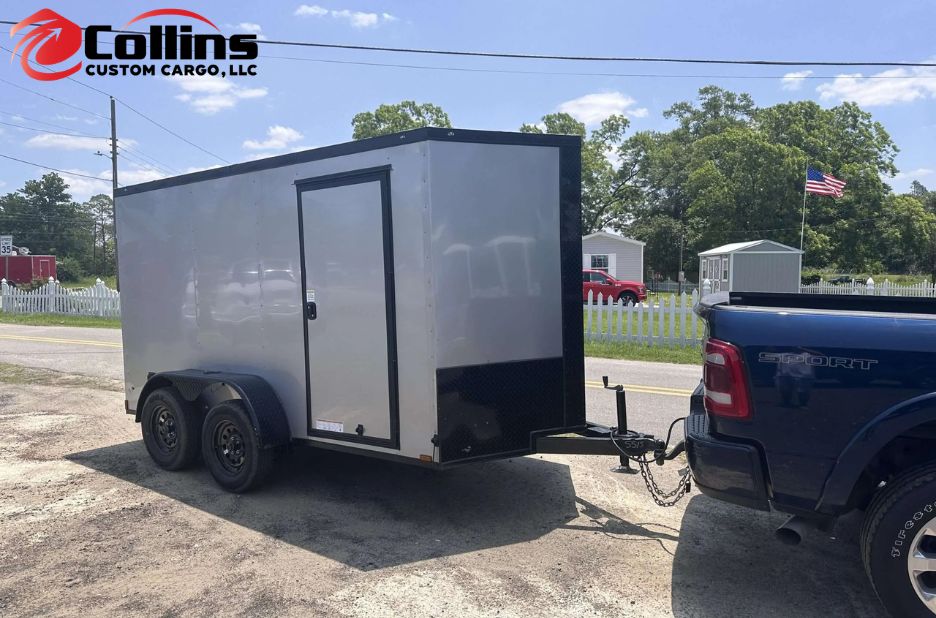
Overview of mobile catering setups
Operators planning a mobile catering venture look for reliability, efficiency, and ease of operation. A well designed mobile unit should optimize workflow from food prep to service. The right frame, durable materials, and smart layout reduce prep time and improve customer speed of service. Flexibility matters, so modular components that adapt to Hook and Line Mobile Catering Trailer different events help operators scale their business. Understanding your space, the required permits, and the kinds of events you’ll attend sets the foundation for choosing the best equipment. A focused approach keeps the start up on track and protects your margins over time.
Choosing the ideal trailer design
Selecting the right trailer involves weighing several factors, including size, weight, and maneuverability. A compact setup can fit in tight venues, while a larger trailer supports high volume. Pay attention to ventilation, electrical supply, and water management to sustain continuous Cargo Trailer Concession Window service. Durable hitch systems and roadworthy brakes are essential for safe transit between locations. By mapping out typical events and estimated traffic, you can tailor a layout that minimizes bottlenecks and accelerates order fulfillment.
Key features for customer flow
Efficient service relies on a smooth path from order to pickup. A well positioned service window, clear signage, and accessible payment options help reduce confusion for customers. Planning for peak times means staging ingredients near the window and avoiding backtracking in the kitchen area. Training staff to follow a consistent service rhythm also lowers errors and speeds up turnover, which improves overall profitability during busy events.
Operational tips for long term use
Regular maintenance, inventory checks, and routine sanitization protect food safety and extend equipment life. Establish a cleaning schedule that fits your event cadence, and keep spare parts and basic tools on hand. Documenting every service, including weather conditions and crowd size, helps controllers anticipate maintenance needs and adjust staffing. With solid records, you can plan upgrades or replacements without disrupting service during peak seasons.
Industry considerations and compliance
Food safety regulations, permits, and local ordinances shape how and where you operate. Always verify health department guidelines, fire safety codes, and vehicle insurance requirements before hitting the road. Setting a clear plan for waste disposal and drainage avoids fines and environmental issues. A thoughtful approach to compliance protects your business and fosters trust with customers and venues alike.
Conclusion
Starting with a clear, practical plan helps your venture grow through a series of successful events. When evaluating gear and layouts, consider how well the design supports fast service, consistent quality, and easy maintenance. As you refine your setup, you may discover value in specialized accessories that streamline operation. Collins custom cargo