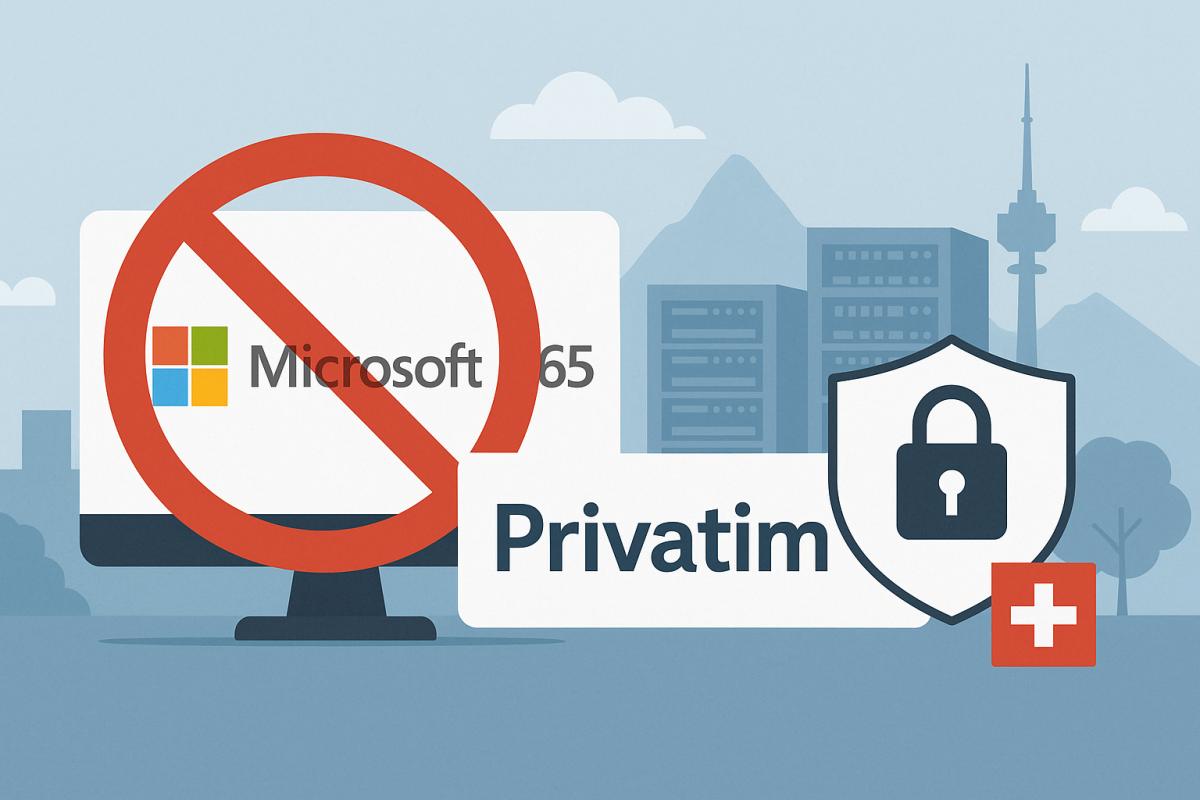
Overview of security needs
In today’s risk landscape, organisations in Switzerland must balance operational efficiency with robust protection. Security challenges span governance, incident response, access control, and technology governance. A pragmatic approach starts with risk assessment across people, processes, and technology, prioritising high-impact gaps. Stakeholders Security Consulting Schweiz need clear, actionable plans that align with regulatory expectations and business objectives while remaining adaptable to evolving threats. This section outlines how a structured security review translates into tangible improvements rather than theoretical models.
Tailored assessment for organisations
A practical security assessment delves into critical assets, data handling practices, and third party dependencies. By mapping workflows and data flows, teams can identify where controls are strongest and where weaknesses could exist. The goal is to produce a phased improvement road map with measurable milestones, ensuring resources are used efficiently. Risk scoring helps decision makers allocate budget to mitigate the most significant exposure without disrupting core operations.
Strategies for incident readiness
Preparation is as important as prevention. Effective incident readiness combines detection capabilities, playbooks, and staff training. By simulating realistic scenarios, teams learn to recognise patterns of compromise and respond rapidly. Clear roles, escalation paths, and communication protocols reduce confusion during a real event, enabling faster containment and recovery while keeping stakeholders informed and confident in the organisation’s resilience.
Governance, policy and compliance
Governance structures establish accountability and ensure policies stay aligned with both business needs and legal requirements. A practical framework balances security controls with usability, documenting decision rights, change management processes, and audit trails. Compliance mapping translates external requirements into actionable controls, making it easier to demonstrate due diligence during regulatory reviews and board discussions. This section emphasises continuous improvement rather than one-off assessments.
Operational risk management and culture
Culture and daily routines are the heartbeat of security. Training programmes, role-based access reviews, and regular security communications reinforce good habits. Operational risk management merges threat intelligence with real-world lessons from incidents, guiding policy updates and technical adjustments. By embedding security into daily work, organisations reduce the likelihood of human errors and improve resilience against evolving threats.
Conclusion
In practice, security consulting translates complex concepts into practical steps that protect critical assets without slowing business. A measured plan, clear ownership, and ongoing assessment create a resilient posture that stakeholders can trust. Visit Cybersecurity Schweiz for more guidance and examples of similar initiatives, and consider how this approach could shape your next security review.