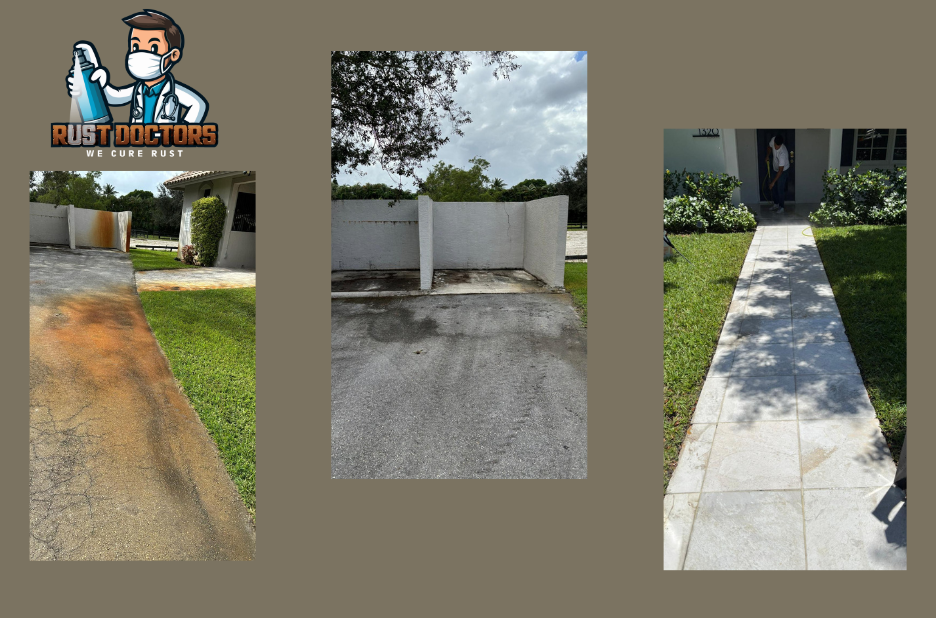
Overview of rusty irrigation problems
In many gardens and commercial landscapes, rust on irrigation components signals moisture exposure and aging materials. This issue can affect sprinkler heads, valves, and metal fittings, potentially reducing water efficiency and triggering leaks. Understanding the sources—whether from mineral-rich water, weathering, or corrosion from metals—helps irrigation rust company prioritize effective fixes. Proactive inspection of joints and seals is essential, as small leaks can accelerate rust formation. A methodical assessment helps distinguish superficial staining from structural damage that would require component replacement or protective coatings.
Assessing rust and choosing products
Addressing rust begins with identifying the severity and choosing corrosion-resistant options. For irrigation rust company related concerns, look for reputable rust resistant materials, such as galvanized metal parts, stainless steel options, or polymer alternatives where appropriate. Selection should consider rust control company local water chemistry, climate, and compatibility with existing irrigation controllers. Regular maintenance schedules that include flushing lines and treating rust-prone zones can prevent buildup and maintain consistent water flow and pressure across zones.
Preventive maintenance steps for longevity
Preventive maintenance reduces rust risk and extends the life of irrigation infrastructure. Routine cleaning of filters and screens removes mineral deposits that can trap moisture and promote corrosion. Replacing worn gaskets and ensuring proper drainage minimizes standing water around metal components. Applying rust-inhibiting sprays or anti-corrosion coatings to exposed metal parts can provide an extra layer of protection, though you should verify compatibility with irrigation water and spray drift considerations. Documentation of maintenance helps in budgeting and scheduling timely replacements.
Professional rust control strategies
When rust issues become persistent, partnering with a rust control company can expedite resolution. A qualified professional can perform a corrosion audit, test water chemistry, and recommend targeted solutions such as re-piping with corrosion-resistant materials or installing protective barriers. They may also advise on alternative routing to avoid humid pockets or water stagnation. For complex systems, professional insights save time and reduce the risk of costly downtime during peak irrigation seasons.
Choosing a service provider you can trust
Seek a service provider that combines field experience with clear communication. A reliable team will document findings, propose practical improvements, and offer transparent pricing. Ask about warranties on parts and workmanship, and request references from other property managers or farmers. A thoughtful approach prioritizes long-term resilience over quick fixes, ensuring your irrigation network remains efficient and reliable through changing weather patterns and water quality concerns.
Conclusion
Maintaining an irrigation system with attention to corrosion challenges helps protect investment and conserve water. By combining careful inspection, appropriate material choices, and regular upkeep, you can reduce rust formation and sustain performance. For ongoing concerns, consider consulting a rust control company that can tailor a plan to your site. Rust Doctors FL LLC