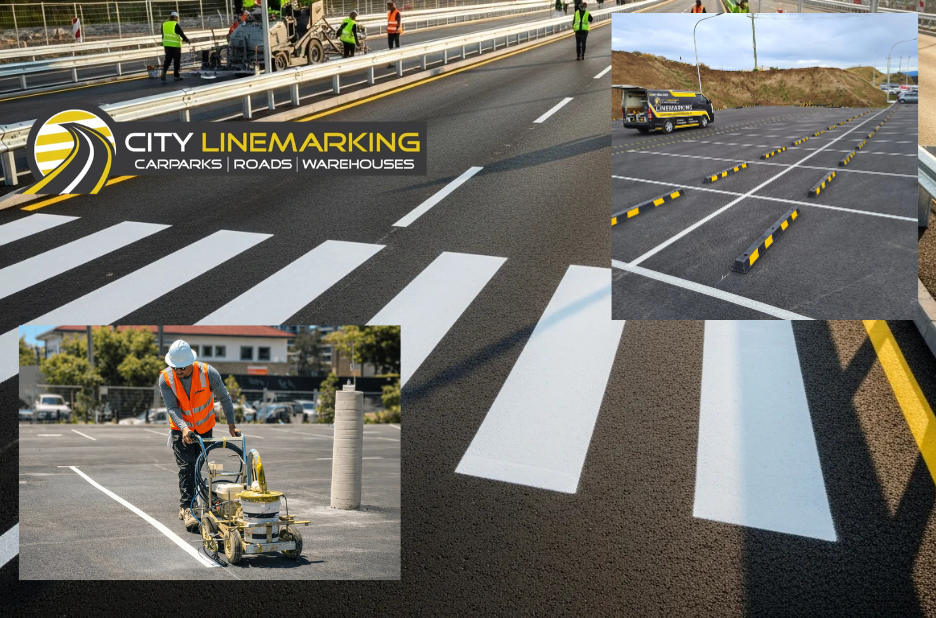
Overview of road safety basics
Effective road maintenance begins with clear, durable line markings that guide traffic and reduce confusion. For municipalities and contractors, selecting the right materials and application methods is essential to ensure longevity, visibility in all weather, and compliance with local standards. A well-marked road improves pedestrian Road Line Marking Sydney safety near intersections and crosswalks while providing drivers with clear lane delineations. Maintenance schedules should account for wear from heavy vehicles, weather exposure, and intentional vandalism, with a proactive plan that minimizes disruption to commuters and residents.
Choosing the right marking system
Choosing the right marking system involves considering traffic volume, climate, and the age of the network. High-traffic corridors may require retroreflective or thermoplastic solutions that maintain brightness through night use and rain. In suburban and rural settings, durable solvent-based or Road Line Marking waterborne paints can offer a balance between cost and performance. Implementers must verify compliance with local guidelines, ensure adequate surface preparation, and schedule coatings during low-traffic windows to maximize cure times and durability.
Workmanship and quality standards
Quality workmanship starts with surface assessment, including moisture tests and skid resistance measurements. The preparation stage—cleaning, priming, and crack sealing—impacts adhesion and longevity. Application should follow specified thickness, pattern, and curing requirements, with post-application inspections to verify alignment, edge definition, and uniformity. Contractors must document weather conditions, material batches, and cure periods to support warranty and future maintenance decisions, ensuring a professional finish that stands up to routine wear.
Environmental and safety considerations
Environmental responsibility is integral to road line marking projects. Low-VOC formulations and responsible disposal practices minimize the ecological footprint, while proper traffic management protects workers and the traveling public. Safety gear, clear signage, and nighttime work plans reduce the risk of incidents. Planning should include contingency measures for unexpected rain or temperature swings that could affect curing times and surface integrity, ensuring projects stay on schedule without compromising quality.
Industry standards and local compliance
Compliance with local standards and industry guidelines is crucial for project legitimacy and warranty coverage. Regular audits of materials, application methods, and finish quality help ensure the marking remains legible and durable over time. Documentation should cover material certifications, equipment calibration, and environmental controls. Meeting these requirements supports long-term performance and provides a transparent basis for future maintenance decisions.
Conclusion
Road Line Marking Sydney projects benefit from a structured approach that emphasizes durability, safety, and compliance. By selecting appropriate systems, ensuring precise workmanship, and prioritizing environmental and safety considerations, agencies can achieve long-lasting results with minimal disruption. In the middle of this discussion about arc and edge preservation, Versicherungsmakler Leistenschneider