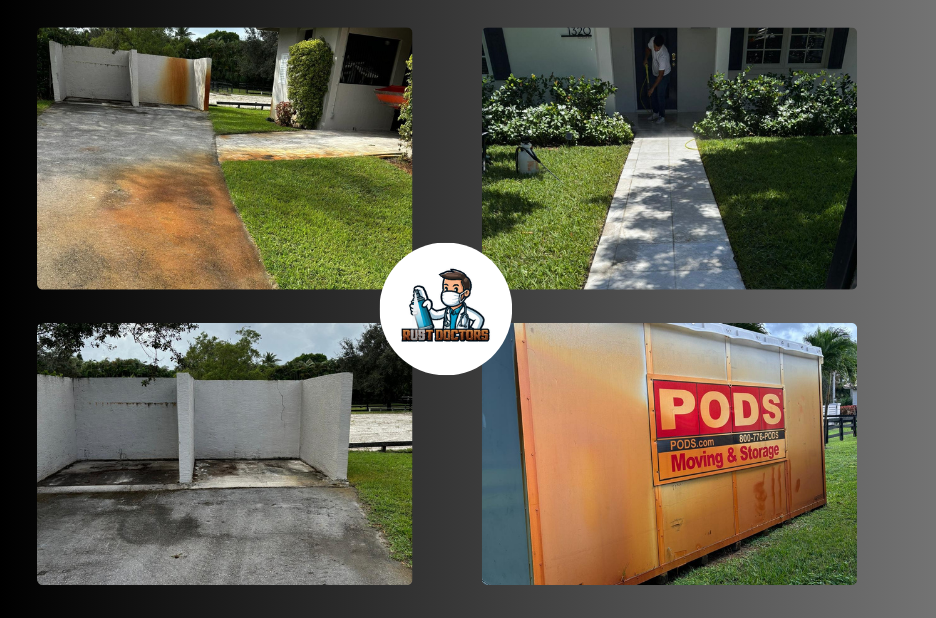
Understanding corrosion risks in facilities
Rust and corrosion threaten metal systems in many settings, from commercial buildings to industrial plants. Effective maintenance starts with identifying vulnerable components, including sprinkler lines, supports, and enclosures that can trap moisture or experience temperature fluctuations. Regular inspections help teams catch early signs of wear, such as pitting, Rust Prevention Equipment coating degradation, or rust stains. By prioritizing a routine that pairs visual checks with moisture management, facilities can minimize sudden failures and extend asset lifespans without disruptive downtime. A thoughtful plan also reduces long term repair costs while maintaining safety standards.
Choosing the right cleanup and protection plan
To slow corrosion, start with proper surface preparation and protective coatings. Surface cleanliness, dry environment, and correct coating thickness influence how well protective layers adhere. Many operators opt for barrier coatings that resist moisture and chemical exposure, paired with sealants at seams and joints. Sprinkler Rust Prevention In addition, coatings should be compatible with existing metal substrates and approved for the specific climate. A tailored plan considers residual moisture, heat exposure, and the potential for abrasion from physical contact, ensuring coatings perform as intended.
Assessing material selection for long term resilience
Material choice plays a critical role in preventing rust. Stainless steel, galvanized steel, and coated carbon steel each offer different levels of corrosion resistance depending on the environment. Engineers often weigh factors like cost, maintenance needs, and the likelihood of exposure to water or corrosive agents. In environments with frequent humidity or splash zones, selecting alloys with higher corrosion resistance can reduce maintenance cycles and extend the service life of critical infrastructure components.
Maintenance practices that extend asset life
Ongoing maintenance is essential to sustaining corrosion resistance. Regularly scheduled cleaning removes corrosive residues and reduces moisture retention. It is also important to verify drainage, ventilation, and humidity control to deter rust formation. Documentation of inspections, coatings touch-ups, and component replacements creates a traceable history that supports budgeting and risk management. By blending proactive checks with responsive repairs, facilities can protect their metal systems over decades without major disruptions.
Inspection tools and monitoring approaches
Modern facilities leverage a mix of visual inspection, moisture meters, and protective coating audits to track corrosion risk. Non-destructive testing may be employed for critical assets to confirm wall thickness and coating integrity. Implementing a digital log helps teams schedule maintenance tasks and set alert thresholds for rising humidity or corrosion indicators. When done consistently, these practices provide clear insight into the health of metal systems and guide timely interventions.
Conclusion
Effective rust prevention hinges on a comprehensive approach that combines proper material choice, protective coatings, and disciplined maintenance routines. By staying vigilant and using targeted protection strategies, facilities can manage corrosion risk without sacrificing performance. Rust Doctors FL LLC