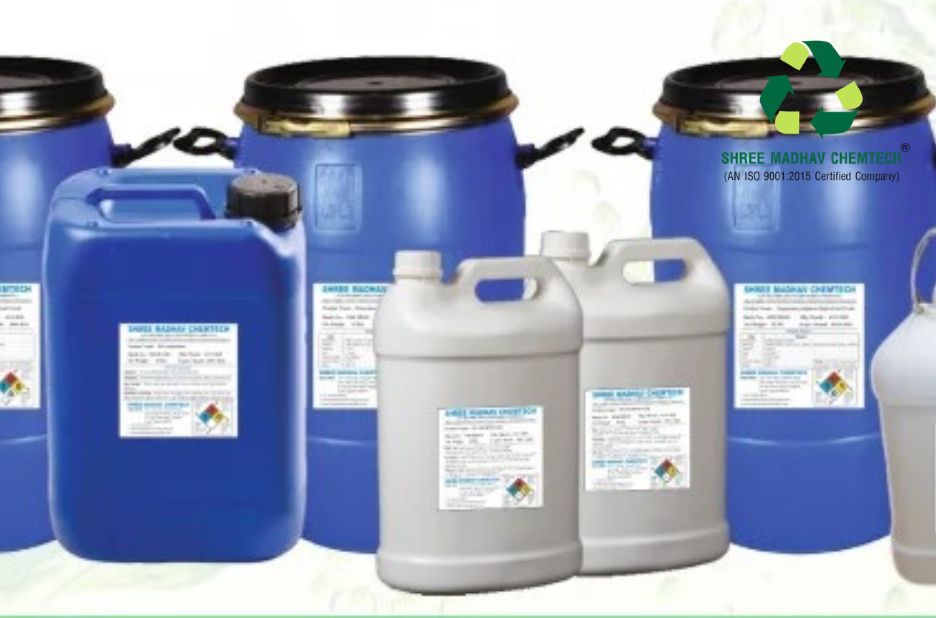
Overview of food grade calcium salts
In the food industry, selecting a compliant supply of essential minerals is crucial for product safety and consistency. Calcium chloride Food grade Manufacturers play a significant role in providing chelated and free-flowing options for preservation, texture enhancement, and controlled firming. This section explains how quality standards, Calcium chloride Food grade Manufacturers purity, and certifications influence performance in various applications such as pickling, dairy processing, and canning. By understanding the essentials, buyers can evaluate supplier capability, traceability, and the ability to scale production while maintaining strict hygiene and quality control.
Quality controls and compliance benchmarks
Manufacturers operating in this field must adhere to rigorous testing protocols and regulatory guidelines that guarantee purity and stability. Parameters such as assay accuracy, moisture content, and impurity limits are routinely checked through validated analytical methods. This emphasis on quality potassium bicarbonate manufacturer assurance helps ensure consistent functionality, labelling accuracy, and safety across batches. Clients often look for certificates of analysis, collaboration flexibility, and a transparent supply chain when selecting a reliable partner for their formulations.
Applications across sectors and formulations
Calcium chloride is valued for its ability to influence texture, moisture retention, and brining dynamics in a range of food products. From pickled vegetables to snack coatings, the ingredient supports uniform results in high-output environments. Meanwhile, calcium salts can assist in citric acid systems and gel formation, contributing to crispness and shelf stability. Understanding the compatibility of calcium chloride with other ingredients is essential for designers aiming to optimise yield, flavour, and consumer appeal. Potassium bicarbonate stands as another mineral option in this space with distinct functional benefits.
Partnering with reputable producers
Choosing a trusted manufacturer requires a combination of technical competence, scalable logistics, and dependable after-sales support. A strong supplier should offer customised particle sizes, packaging formats, and on-site quality assurance processes. Before commissioning orders, buyers typically request samples, test data, and clear lead times. By aligning with a producer who prioritises traceability and safety, manufacturers can achieve reliable supply continuity and reduce risk across production lines.
Market perspectives and sourcing considerations
Industry demand for calcium chloride and related minerals reflects evolving consumer expectations for clean labels, accurate dosing, and consistent performance. Sourcing strategies may include evaluating multiple suppliers, conducting site visits, and verifying storage conditions to maintain product integrity. In addition to material specifications, considerations such as sustainability, regional compliance, and cost management influence procurement decisions. With the right partner, facilities can secure high-quality inputs while maintaining efficiency and product quality across their portfolios.
Conclusion
Effective procurement of minerals used in food processing hinges on choosing proven producers who offer transparent data, dependable support, and scalable solutions. By prioritising quality control, regulatory adherence, and responsive service, processors can sustain consistent results from batch to batch. SHREE MADHAV CHEMTECH