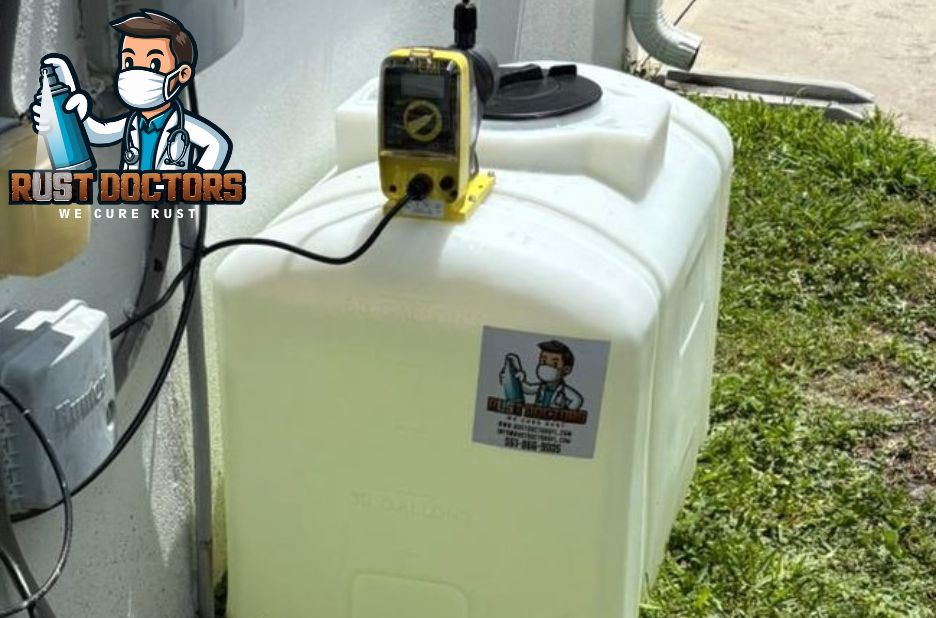
Assessing rusty irrigation components
Rust can compromise irrigation systems by clogging valves, corroding metal fittings, and reducing water efficiency. A careful inspection helps identify where rust forms most, whether on sprinkler heads, metal pipes, clamps, or irrigation timers. Through a structured assessment, technicians can determine if rust is surface-level or indicates deeper corrosion that Irrigation Rust Removal could lead to leaks or failures. Start by turning off water, inspecting exposed metal, and noting any discolored staining or flaky deposits. This step sets the foundation for choosing the most appropriate rust management approach and ensures safety during handling and maintenance.
Choosing the right rust management approach
The strategy for removing corrosion depends on the extent of rust and the system design. For light surface rust, mechanical cleaning with wire brushes or abrasive pads can restore smooth surfaces and improve seal integrity. If oxidation has penetrated more deeply, a rust removal services rust conversion treatment or descaling solution may be needed, followed by protective coatings to slow future corrosion. In some cases, replacing affected components is the most cost-effective option to maintain system reliability and prevent moisture-related damage.
Impact of corrosion on performance and efficiency
Rust disrupts water flow, alters pressure, and can cause sediment buildup that clogs emitters and drip lines. The resulting inefficiency not only wastes water but can stress pumps and controllers. Regular maintenance helps keep performance predictable, especially in climates with high humidity or coastal environments where metal surfaces are more prone to oxidation. Documenting findings and scheduling preventive care reduces downtime and extends the life of irrigation hardware.
Professional rust removal services overview
When rust affects critical components, professional rust removal services offer specialized equipment, safe chemical solutions, and process know-how. Pros can assess material compatibility, select appropriate cleaning agents, and implement corrosion-resistant finishes to protect metal surfaces. A trained team also ensures that seals, gaskets, and joints maintain integrity after treatment, preventing future leaks and minimizing disruption to irrigation operations. Engage a reputable provider who communicates clearly and follows industry safety standards.
The maintenance mindset for long term reliability
Preventive care is the best defense against recurring rust in irrigation systems. Routine inspections, moisture control, and early intervention lessen the likelihood of costly repairs. Cleaning and protective coatings should be scheduled with seasonal pivots, such as before summer irrigation surges or after winter exposure. Keeping an up-to-date service log helps track wear patterns and facilitates timely replacements, ensuring consistent performance and water savings over time.
Conclusion
Adopting a proactive approach to metal maintenance in irrigation networks can significantly reduce downtime and extend equipment life. If you encounter persistent corrosion, consider consulting rust removal services to evaluate options and implement lasting solutions. Visit Rust Doctors FL LLC for more guidance and support on managing corrosion in your irrigation systems.