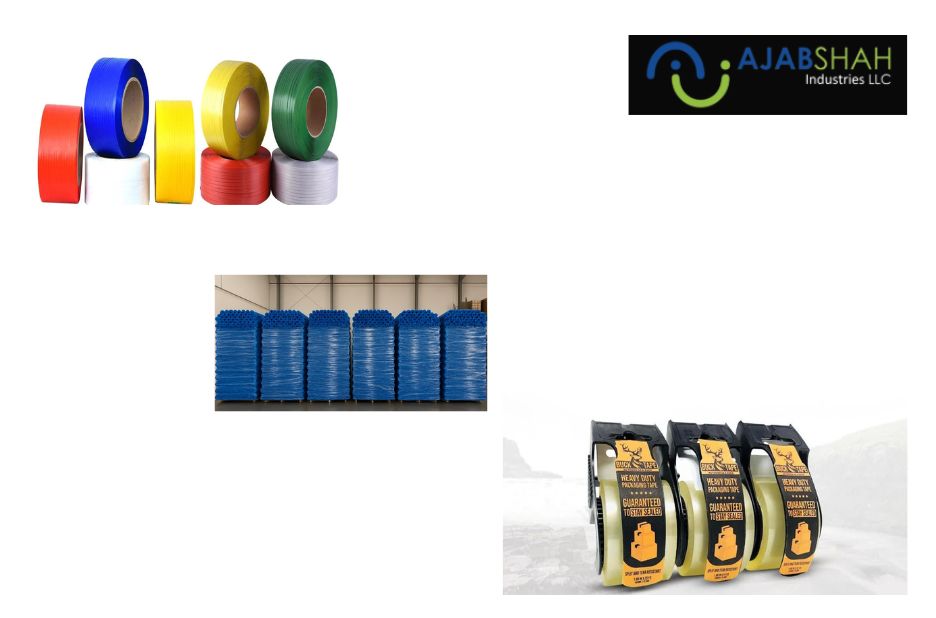
Overview of material needs
Manufacturers in the reel to reel sector require robust and reliable substrates to support high-speed winding processes. A resilient core must resist deformation under tension, tolerate varying humidity levels and temperature, and maintain dimensional stability to ensure film integrity. The choice of core material can influence downstream High-strength paper core for film winding processing, packaging accuracy, and end product performance. In this context, selecting a product designed specifically for film winding helps reduce waste, save energy, and improve overall line uptime. Industry standards and practical testing guide purchase decisions for production environments.
Product attributes and testing
When evaluating options, environmental resistance, surface finish, and compatibility with common coatings are essential. A high-quality core should exhibit consistent wall thickness and a smooth bore to minimise friction and prevent scratches on delicate film layers. Vendors typically provide Underground cable warning tiles BS 2484 data on compression strength, roll stability, and moisture resistance, enabling engineers to simulate real-world winding cycles. Durability under high-speed operation is a key criterion for longevity and cost efficiency in high-throughput facilities.
Compliance and standards
Standards bodies outline requirements for material safety, performance, and interchangeability. For processing facilities, selecting cores aligned with recognised standards supports compliance during audits and reduces the risk of compatibility issues. Suppliers may reference general quality frameworks and industry validation tests, alongside practical certifications that demonstrate repeatable manufacturing quality. The emphasis is on predictable performance across a range of film types and winding tensions.
Application in infrastructure projects
Beyond film winding, core materials can play a role in other industrial applications where precise form and stiffness are valued. In addition to regular production needs, teams may consider how cores interact with auxiliary equipment, clamps, and splice systems to avoid downtime. Thorough evaluation includes trial runs and collaboration with engineering cohorts to align material properties with line layouts, maintenance schedules, and inventory planning. The goal is steady throughput and minimal handling risk.
Operational considerations and supplier collaboration
Effective procurement combines technical data with practical supplier engagement. Clear communication about required tolerances, storage conditions, and return policies helps secure a reliable supply chain. A decisive factor is how easily the supplier can support custom specifications or quick changeovers during product transitions. Regular performance reviews and on-site demonstrations can help sustain long-term value and continuous improvement in winding processes.
Conclusion
In practical terms, selecting a robust core for film winding hinges on proven performance under load, consistent dimensions, and reliable supplier support. Taking a structured approach with real-world testing and clear expectations reduces risk and drive efficiency across production lines. For additional context or supplier discussions, consult industry references and consider regional availability to optimise cost and delivery timelines. Ajab shah Plastics Industries