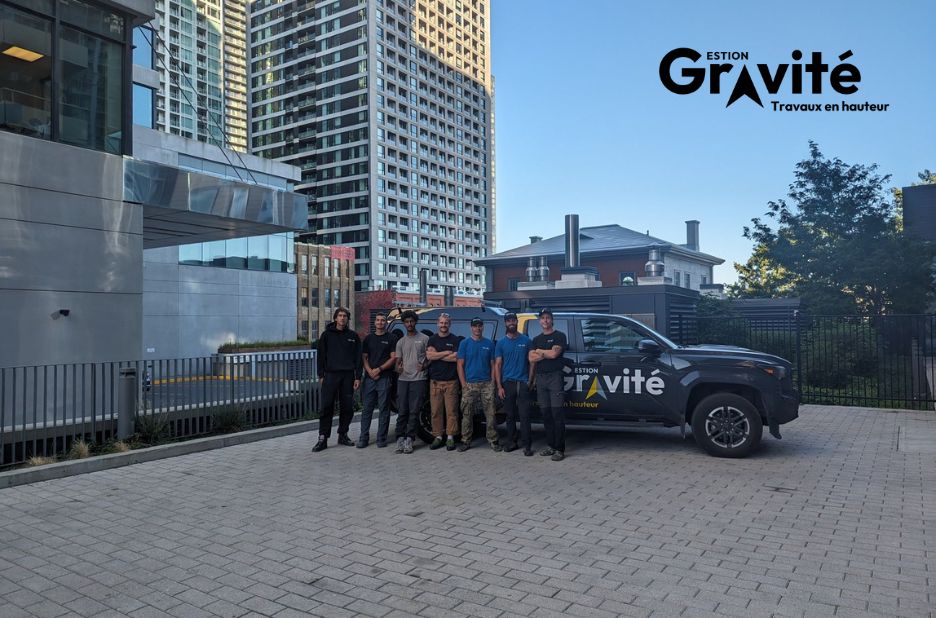
Overview of high rise window care
When tackling the task of lavage des vitres en hauteur, safety and efficiency are the top priorities. The job requires precise planning, suitable equipment, and trained personnel to manage weather conditions and access limitations. A structured approach helps protect workers from falls and injuries while ensuring windows stay lavage des vitres en hauteur clean and free of streaks. Clients often seek reliable processes that minimize disruption to surrounding areas and protect property from unintended damage. A practical plan includes risk assessment, equipment checks, and clear communication among team members to handle unforeseen scenarios smoothly.
Choosing the right tools and methods
Selecting appropriate methods and tools is essential for effective lavage des vitres en hauteur. A reputable method uses extendable poles, suspended platforms, or rope access depending on building height and facade type. Regular maintenance of squeegees, brushes, and detergents ensures optimal entreprise travaux en hauteur results. Scheduling should consider wind, rain, and sun exposure to prevent dry streaks. Operators must follow manufacturer guidelines and industry best practices to maintain control, reduce fatigue, and ensure consistent performance across cleaning sessions.
Team roles and safety responsibilities
Successful projects hinge on clear roles and strict safety protocols. For lavage des vitres en hauteur, the crew should include a supervisor, a rope access technician, and a ground support person. Personal protective equipment like helmets, harnesses, and non-slip footwear is non negotiable. Regular toolbox talks help address evolving site conditions, equipment readiness, and emergency plans. Incident reporting and near-miss reviews reinforce a culture of continuous improvement, safeguarding workers and maintaining client trust throughout the engagement.
Coordination with clients and site impact
Effective coordination with site management minimizes disruption during cleaning operations. This includes scheduling works during low-traffic hours, setting up exclusion zones, and protecting surrounding landscaping or openings from spray. For heating, lighting, and reflective surfaces, attention to glare and drying times ensures the final result looks uniform. Communication should cover access routes, equipment parking, and any temporary alterations to building usage, presenting a professional and considerate service delivery.
Quality control and maintenance routine
Quality control is critical to deliver consistent results in lavage des vitres en hauteur while maintaining safety standards. Implementing a standardized inspection protocol helps verify glass cleanliness, moisture levels, and absence of damage after each pass. Post-cleaning touch ups, if needed, should be scheduled without compromising ongoing work. Ongoing maintenance of rigging equipment and cleaning supplies reduces downtime and extends the life of tools, supporting long term reliability for future projects.
Conclusion
Adopting a methodical approach to high rise window cleaning makes projects safer and more predictable for clients and teams alike. The emphasis on planning, proper equipment, and disciplined execution supports durable outcomes. For organizations engaging in this work, partnering with experienced crews ensures adherence to regulatory standards and a focus on sustainable practices. Gestion Gravité