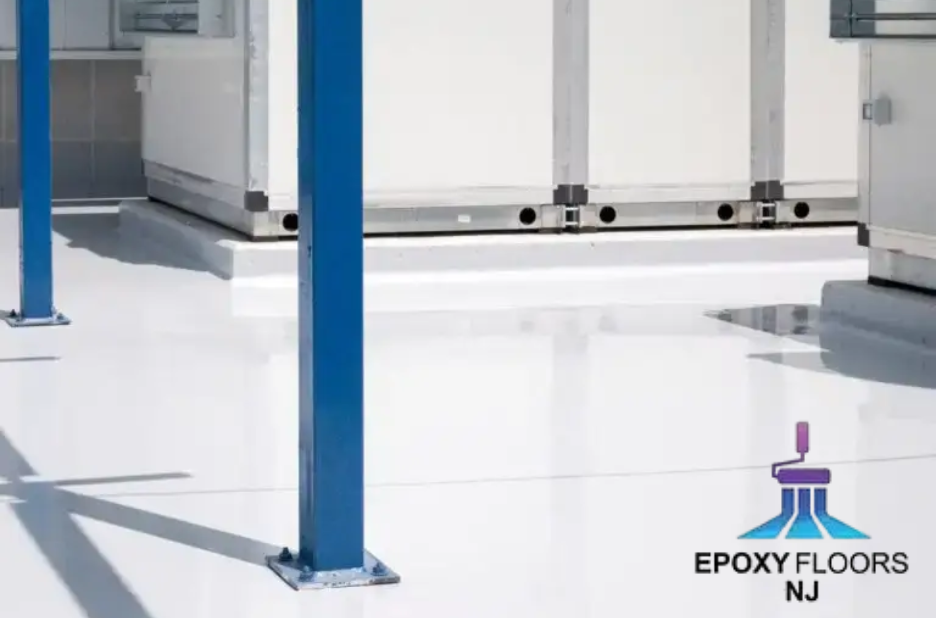
Overview of safe flooring
Choosing the right flooring for a busy eatery means balancing cleanliness, safety, and longevity. Non slip surfaces reduce the risk of slips and falls during rush hours, spills, and wet floors. Epoxy coatings provide a seamless, easy to clean finish that resists staining from oils, sauces, and acids commonly used in kitchen Non Slip Epoxy Restaurant Flooring Nj environments. The best options are designed to withstand heavy foot traffic and daily cleaning schedules without cracking or peeling. When installed correctly, these systems form a robust barrier that protects the concrete underneath while maintaining a professional appearance for customers and staff alike.
Why epoxy stands out in food service
Epoxy floors offer chemical resistance, high durability, and a smooth, non porous surface that resists mould and bacteria growth in damp areas. They are compatible with wide temperature ranges and can be custom-tinted to match brand colours. Slip resistance is built into the top layer, ensuring grip under wet conditions. For operators in NJ, a locally sourced finish means quicker service and lower transport costs while still delivering the same level of protection you expect in a commercial kitchen or dining area.
Considerations for NJ installations
The installation process should factor in the kitchen layout, drainage, and traffic patterns. A professional team evaluates surface preparation, moisture testing, and cure times to minimise downtime. Maintenance routines should include routine mopping with pH-neutral cleaners and periodic reapplication of sealants to preserve gloss and non slip properties. It is essential to choose a formulation that complies with local health and safety regulations and to schedule inspections after high usage periods to ensure continued performance as the area evolves with menu changes.
Maintenance tips and life expectancy
Regular sweeping and damp mopping remove grit that can erode a non slip finish. Use clean, non-abrasive pads and avoid harsh solvents that can degrade the epoxy. High-traffic zones may require more frequent resealing or recoating to maintain slip resistance and glossy appearance. With proper care, epoxy restaurant floors in NJ can last many years, resisting moisture, stains, and heavy equipment movement while keeping a sanitary environment for staff and guests.
Conclusion
Investing in a proper non slip epoxy flooring system supports safer work and dining areas, with durable protection against daily spills. Regular cleaning and timely maintenance extend its life and keep slip resistance intact. Visit Epoxy Floors NJ for more insights and to explore options that fit your venue’s footprint and budget.