Assessing needs and space
Planning for accessibility begins with a clear evaluation of the space, user needs, and building codes. Start by measuring doorway width, available exterior ground, and any slope constraints. Consider indoor versus outdoor placement, potential landings, and whether a modular or permanent ramp best fits your wheelchair ramp installation lifestyle. Safety features like non slip surfaces, edge protection, and secure handrails should be part of the initial design discussions. Budgeting realistically for materials, permitting, and labor helps prevent mid project changes that derail timelines and costs.
Choosing the right ramp type
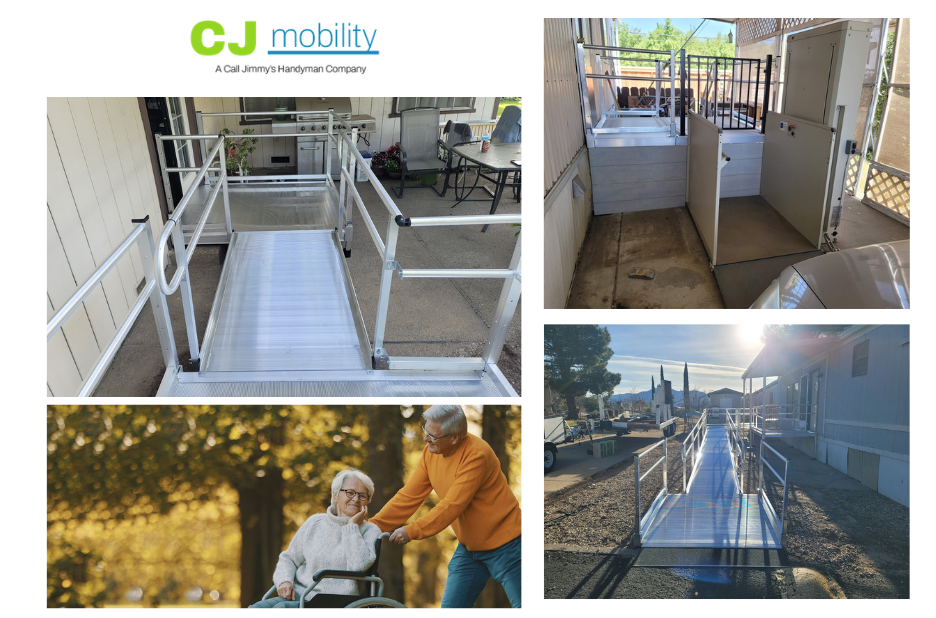
There are several ramp options to fit different settings, from lightweight portable units to permanent graded installations. A straight run with a gentle 1:12 slope is typical for exterior thresholds, while interior doors may require shorter inclines and tighter landing spaces. Modular aluminum ramps offer fast installation and durability, while wooden or concrete variants provide long term stability when properly anchored. Always verify weight ratings and accessibility standards before purchasing materials.
Installation considerations and safety
Proper installation hinges on secure anchoring, precise measurements, and adherence to relevant codes. Ensure ample landing areas at both ends, install non slip treads, and add handrails on both sides where required. If the structure involves stairs, including a compliant transition and edge protection prevents accidental slips. For DIY projects, double check fasteners and slope consistency, and consider consulting a professional to avoid common mistakes that compromise accessibility and safety.
Maintenance and long term care
Routine inspection keeps ramps functional and safe for daily use. Look for signs of wear on non slip surfaces, loose brackets, or corrosion on metal components. Clear debris after use, reapply traction coatings as recommended by manufacturers, and periodically test alignment. Weatherproofing and seasonal checks help ensure reliability through varying conditions. Documenting maintenance creates a clear history that supports ongoing usability and safety for all users.
Conclusion
Careful planning, the right materials, and precise installation practices contribute to reliable accessibility for years to come. When in doubt, seek guidance from qualified professionals who can tailor a solution to your space while meeting safety standards. CJ Mobility