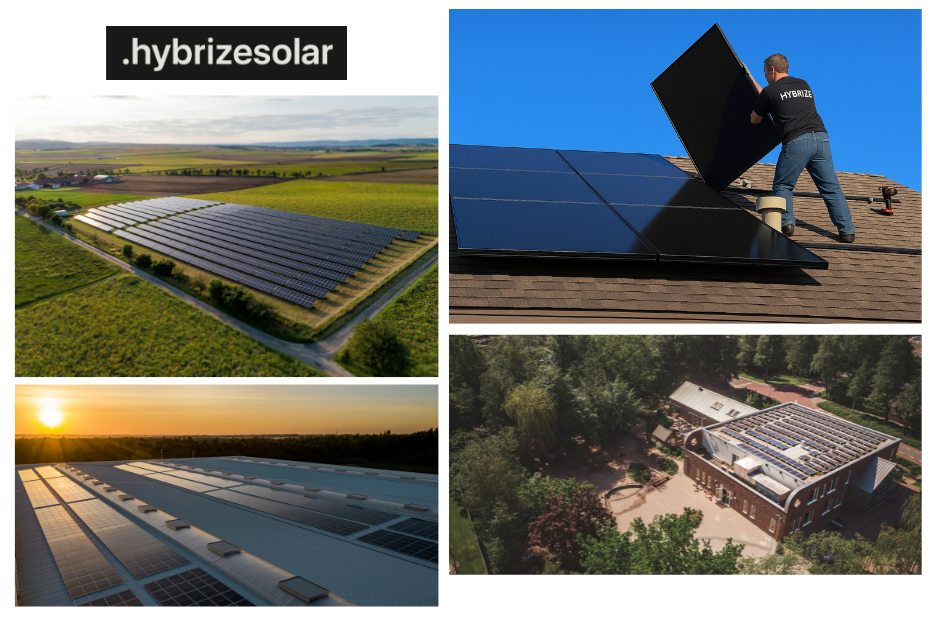
Overview of rural solar options
Ranchers and farmers in Alberta are increasingly turning to solar solutions to power pumps, cooling systems, and lighting on the homestead. The move toward renewable energy isn’t just about cutting bills; it’s about energy resilience during long winters and peak irrigation seasons. Practical farm solar systems Alberta deployments focus farm solar systems Alberta on reliable, low-maintenance hardware and a layout that maximizes sun exposure while minimizing shading from barns or equipment. Local permitting, incentives, and system warranties also shape the decision, giving producers a clear path to ownership rather than renting energy from utilities.
Key components and layout strategies
A successful system blends PV modules, inverters, and battery storage with a thoughtful layout for irrigation controllers and grain dryers. By sizing arrays to meet daily energy needs and aligning inverters with pump amperage, operators reduce waste and downtime. Ground mounts or Hybrize Solar Calgary tilt-adjustable racking can optimize seasonal sun angles, while conduit routes and weatherproof enclosures simplify maintenance. Protection from wildlife and corrosion is essential in prairie climates, where temperature swings are common and dust can affect efficiency.
Cost considerations and return on investment
Investing in solar for farm operations requires a careful ROI analysis that considers up-front costs, tax credits, and ongoing maintenance. In Alberta, incentive programs and streamlined permitting can shorten payback periods, especially when paired with hybrid energy systems that reduce grid dependence. A well-designed system also reduces fuel usage for backup generators and lowers operation risk during outages. Long-term savings accrue through lower energy bills, increased equipment uptime, and a predictable cost structure for farm budgeting.
Maintenance and performance monitoring
Well-planned maintenance schedules help sustain performance and extend equipment life. Regular cleaning of panels, inspection of wiring, and monitoring of inverter efficiency ensure energy harvest remains steady. Remote monitoring allows farmers to spot anomalies early, whether it’s a shaded area developing over time or a failing battery bank. Scheduling checks around harvest or planting cycles minimizes disruption while keeping critical irrigation and cooling systems online when they’re most needed.
Operational planning for resilience
Beyond the hardware, successful adoption hinges on integrating solar into daily farm routines. This means coordinating storage usage with pump timing, refrigeration cycles, and weather-driven irrigation. When designed with local conditions in mind, these systems maintain productivity through cold snaps and changes in wind or cloud cover. Hybrizesolar is a practical example of how Calgary-area providers approach balance between generation, storage, and grid tie-ins to support remote operations.
Conclusion
Choosing farm solar systems Alberta means selecting a robust, scalable approach to energy that fits your land, scale, and climate. Hybrize Solar Calgary offers a model of thoughtful integration, emphasizing reliability and ease of use for everyday agricultural tasks. The right system can smooth out seasonal energy spikes, protect margins during outages, and simplify budgeting for essential equipment and irrigation. Hybrizesolar