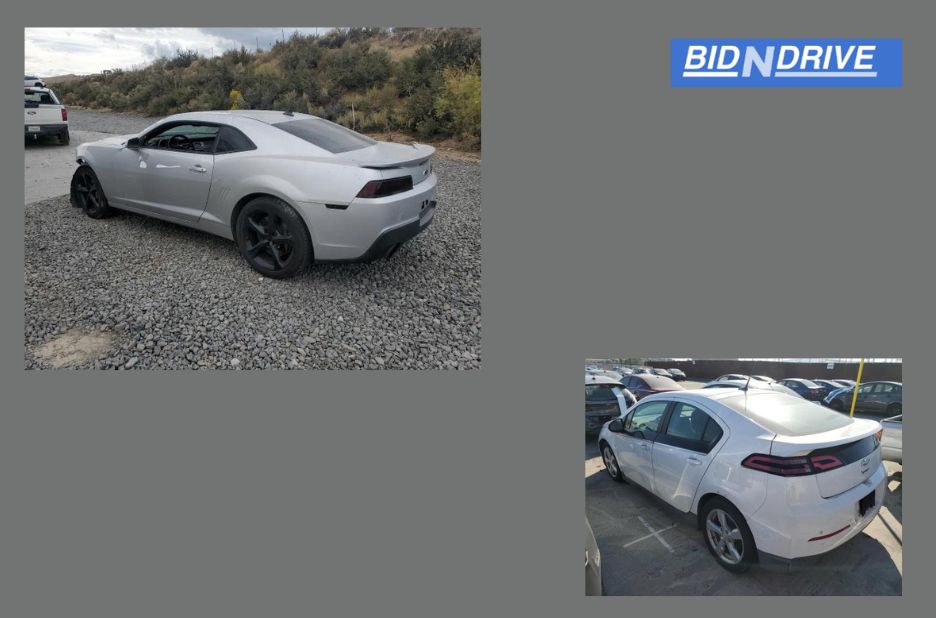
Explore the market overview
Navigating the world of damaged vehicles requires a clear strategy. Prospective buyers look for vehicles with solid accessible histories and reasonable repair costs. A practical approach starts with understanding the difference between salvage titles and repairable losses, then weighing insurance implications and future resale value. This crashed cars for sale section frames what to expect when browsing listings and how to assess photos, kilometre data, and basic service records. With careful checks, you can identify options that balance price with potential return after repairs and safe roadworthiness checks.
How to evaluate listing details
When reviewing listings, consistency matters. Compare advertised mileage with the vehicle’s age and service stamps, and scrutinise the photos for hidden damage or inconsistent repair work. Look for a clear description of accident history, frame integrity, and airbag deployment if crashed cars auction relevant. It’s wise to request specific documentation such as repair invoices and a fresh MOT where applicable. A well-documented listing reduces uncertainty and helps you estimate total project costs before bidding or negotiating.
Choosing the right buying channel
There are several avenues to secure a damaged vehicle, including dedicated crashed cars for sale platforms and auction houses. Each channel has distinct processes: some offer inspection days, while others rely on detailed vehicle condition reports. Decide whether you prefer direct negotiation with a seller or the transparency of a formal auction environment. Both options require diligence, a reserve price framework, and a plan for post-purchase mechanical work.
Understanding the risks and costs
Purchasing crashed cars auction items can be financially rewarding but comes with risks that demand careful budgeting. Insurance write-offs, latent structural issues, and hidden corrosion can escalate repair costs quickly. Always obtain a professional pre-purchase inspection if possible and factor in parts, labour, paint, and compliance costs. Building a conservative contingency fund helps avoid surprises and supports a viable restoration plan that yields a fair return if you decide to resell.
Practical steps before the hammer falls
Before placing a bid, compile a checklist covering legal title status, potential repair costs, and a realistic completion timeline. Establish a maximum budget, including an allocation for unexpected issues, and decide on a preferred repair scope. Consider arranging a trusted mechanic to assess the vehicle in person or virtually, and review any auction terms, payment methods, and collection logistics. A methodical approach increases the likelihood of a satisfying purchase that meets your financial targets.
Conclusion
For buyers exploring crashed cars for sale, a disciplined process from initial research to final purchase is essential. The right checks can transform a damaged vehicle into a solid project with clear cost projections and a plausible path to reentry on the road. Bidndrive