Intro to modern payment options
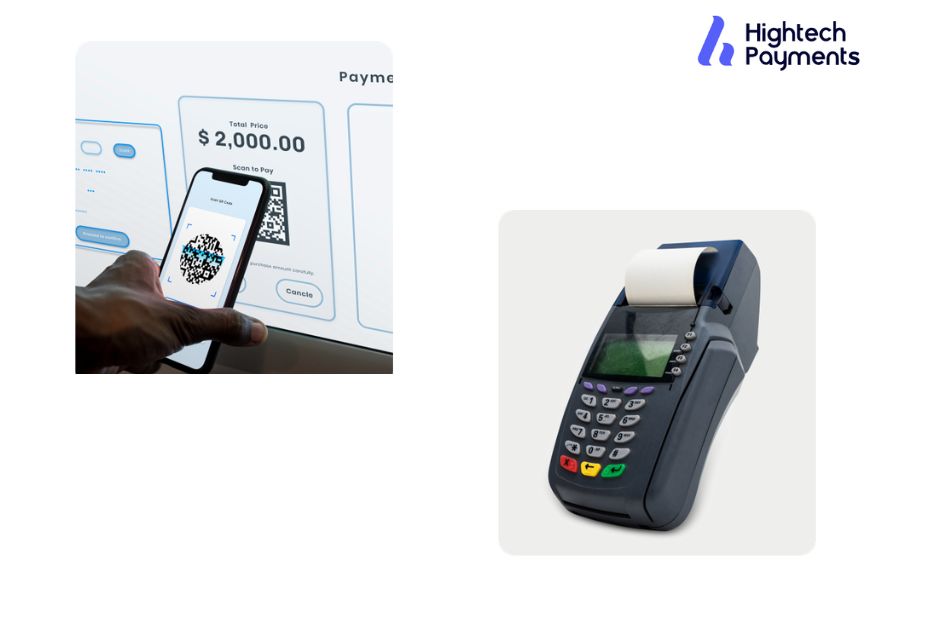
In today’s commerce landscape, businesses increasingly rely on flexible payment options to meet customer expectations and streamline operations. A well-chosen system can reduce queue times, improve accuracy, and scale with growth. When evaluating options, organisations should consider installation ease, security features, mobile payment solutions for businesses and vendor support, alongside how seamlessly the solution integrates with existing devices and software. Understanding these elements helps managers select a platform that fits their operational needs while staying cost effective over the long term.
Choosing a flexible orchestration platform
A robust payment setup should offer multiple channels and devices, including card readers, mobile phones, and tablets. Managers look for reliability, rapid settlement, and straightforward reconciliation. It is also important to confirm compatibility with back‑office systems such tech capital pos payment as inventory management and accounting. In practice, the best platforms provide a unified dashboard that tracks sales, refunds, and chargebacks, helping teams maintain control over cash flow and performance metrics across locations.
Security and compliance considerations
Security is a top priority in every payment solution. Businesses must verify PCI DSS compliance, data encryption standards, and fraud prevention measures. A good provider offers tokenisation, secure vaults for customer data, and clear incident response protocols. Training staff on secure handling of payment devices minimises risk, while routine audits and automated alerts help maintain a strong security posture without adding excessive workload for teams.
Cost structure and value delivery
Understanding the total cost of ownership is essential. Vendors may bill per transaction, monthly fees, or a combination of both, and some services incur device depreciation or add‑on costs. By mapping expected volume, average order value, and refund rates, businesses can forecast monthly expenses and compare against benefits such as reduced handling time and improved customer satisfaction. A clear pricing model supports a predictable budgeting process and smarter procurement decisions.
Vendor evaluation and onboarding best practices
When assessing providers, consider platform reliability, processor networks, support availability, and ease of onboarding. Ask about data migration, device compatibility, and the level of ongoing partner assistance. A well‑structured implementation plan includes staff training, piloting with a subset of transactions, and measurable performance indicators to track adoption and ROI. This approach minimises disruption and accelerates time to value for teams adopting new technology in busy retail or hospitality environments.
Conclusion
Effective mobile payment solutions for businesses hinge on a balanced mix of agility, security, and clear value. By prioritising interoperable devices, straightforward reconciliation, and strong vendor support, organisations can create a resilient payment ecosystem that enhances customer experience and operational efficiency. Hightech Payments