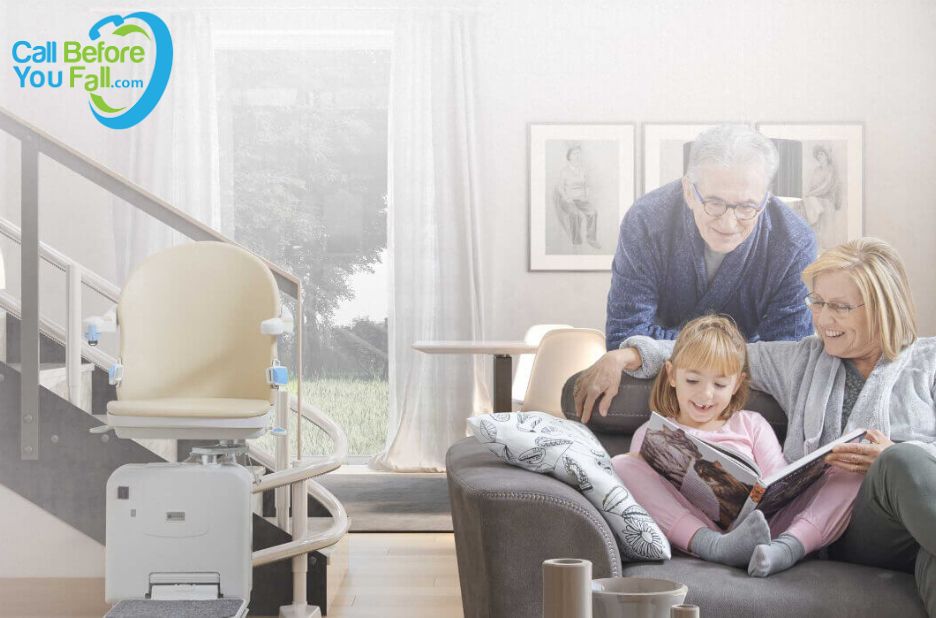
Assessing daily needs
Careful evaluation of a senior’s daily routines helps identify practical mobility needs without assuming a one size fits all approach. Consider how often they move between rooms, stand up for meals, and participate in short outings. A simple chart with times and activities can reveal gaps in safety or comfort, guiding Mobility Solutions for The Elderly discussions with family or healthcare professionals. By focusing on specific tasks—like getting in and out of bed, standing for a shower, or navigating stairs—you can select equipment and support that reduces effort and lowers risk. This grounded, task oriented view keeps planning realistic.
Home layout and safety improvements
Transforming living spaces to support steady movement often reduces fall risk and boosts confidence. Start with uncluttered pathways, secure carpets, and adequate lighting. Install grab bars in key areas such as the bathroom and near the bed or chair. Consider a stable, easy to maneuver chair with armrests to assist transfers. Non slip mats, clear stair treads, and a reachable get up aid can make routines smoother. Small changes add up to significant improvements in independence.
Mobility aids and assistive technology
Choosing the right aids means balancing safety, ease of use, and dignity. Favorite options include lightweight walkers, wheeled MEMO seats, and height adjustable chairs that fit the user’s reach. Portable ramps and threshold ramps expand access to favorite rooms or the outdoors. For those who travel, compact mobility devices reduce fatigue while preserving autonomy. Many seniors benefit from devices that track steps and remind them to stay active, yet remain unobtrusive in daily life.
Outdoor access and transportation planning
Access to safe outdoor activity supports health and social connections. Evaluate sidewalks for even surfaces, curb cuts, and shaded routes. If driving is no longer preferred, explore rideshare services or community shuttles that accommodate walkers and wheelchairs. Creating a flexible plan for weekly outings helps maintain routines and reduces anxiety about meeting friends or appointments. Practical transportation planning keeps life engaging without overwhelming the user.
Conclusion
Mobility Solutions for The Elderly benefits come from thoughtful, person centered planning that respects pace, comfort, and safety. Start with a clear inventory of everyday tasks, optimize the home for easy movement, and choose aids that support dignity and independence. When planning, involve caregivers and clinicians to tailor devices and routines to the individual’s goals. Visit CallBeforeYouFall for more ideas and community resources that align with practical, steady living.