Overview of the market
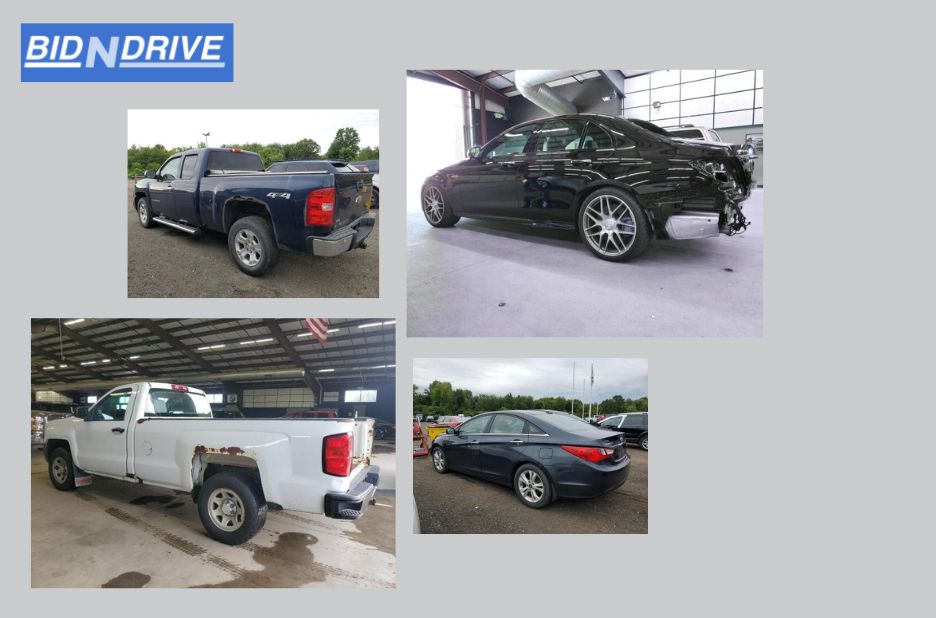
For buyers seeking value, the market for damaged accident cars for sale offers a spectrum of options from light repairs to more extensive rebuild projects. The key is to understand vehicle history, repair feasibility, and total cost of ownership. This section helps you assess whether damaged accident cars for sale a particular listing aligns with your goals, budget, and skills. It also clarifies common terms and the difference between write-offs, salvage titles, and insured losses. A careful approach reduces surprises and supports smarter negotiation with sellers and insurers.
Assessing condition and repair costs
When evaluating a damaged vehicle, start with the basics: exterior damage, frame integrity, and mechanical systems. Obtain a detailed inspection report and a professional quote for parts and labour. Consider the required tools and workspace, potential downtime, and any collision repair complexities. Remember that even seemingly minor cosmetic fixes can escalate if hidden structural issues are detected later, so build a realistic budget with a contingency margin.
Financing and budgeting tips
Financing damaged accident cars for sale can be more nuanced than buying a clean title vehicle. Some lenders require a specialised finance product or a higher down payment due to perceived risk. Create a thorough cost plan that includes insurance, registration, and potential depreciation while you fix the car. A clear budget helps you decide whether to repair, sell as is, or part the project out to recoup costs. Always compare quotes from multiple repair shops.
Where to look and how to negotiate
Reliable marketplaces, auctions, and trade-ins are common routes to find damaged accident cars for sale. When contacting sellers, ask for service records, recent inspections, and an independent mechanic’s evaluation. Be prepared to negotiate based on the car’s current condition, the estimated repair cost, and the expected resale value after completion. Transparency on both sides accelerates a fair agreement that satisfies practical expectations.
Local regulations and safety considerations
Before purchasing, review local guidelines on rebuilding damaged vehicles. Some regions impose restrictions on road legality, emissions testing, or required repairs for reinstatement of titles. Safety should be the primary concern; ensure that any repairs meet industry standards and that the vehicle, once repaired, is roadworthy. Compliance checks protect you from regulatory issues and unexpected downtime.
Conclusion
Entering the market for damaged accident cars for sale requires a measured approach, a clear budget, and reliable expert support. By weighing repair feasibility, total ownership costs, and the resale outlook, you can make informed choices that align with practical objectives and risk tolerance. Bidndrive