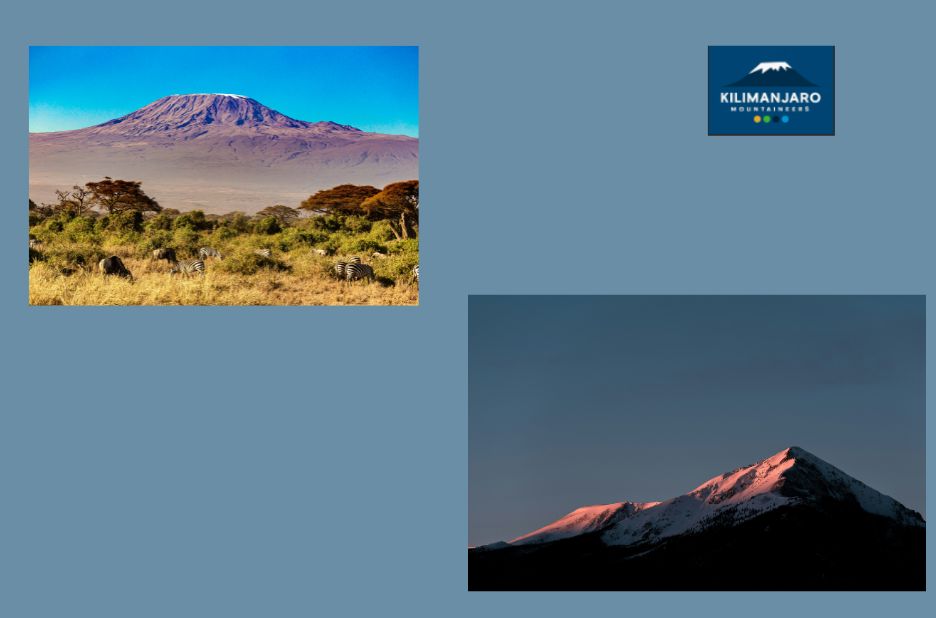
Intro to Kilimanjaro seasons
The ascent of Kilimanjaro is influenced by seasons, weather patterns and crowd levels more than you might expect. Understanding the main windows for trekking helps you balance risk and reward, equipment needs, and personal comfort. In this section we lay out the general timeline, explain Best time to climb Kilimanjaro the differences between the main trekking seasons, and offer initial thoughts on how to choose a departure slot that fits your plans. Clarifying these elements early can save you hassle later when you are booking flights and permits.
Weather patterns and temperatures
Climbing Kilimanjaro involves high altitude conditions that are sensitive to time of year. Daytime temperatures vary dramatically with elevation, and nights can become frosty even during warmer months. Expect clearer skies and longer dry spells in certain months, but also the possibility of sudden cold snaps or rain showers. Pack layers, a reliable shell, and a plan for altitude acclimatisation to maximise safety and comfort while trekking through diverse climates.
Popular trekking windows
Most guided treks run during two peak windows that balance daylight and dry routes. The popular periods often attract more hikers, which can affect availability and prices but improves safety through robust local support networks. Off-peak options may offer more personalised services and quieter trails, though weather unpredictability can increase the challenge. When choosing your slot, weigh crowd levels against your budget, flexibility and risk tolerance to select the best fit for you.
Physical preparation and acclimatisation
Your readiness hinges on cardiovascular fitness, leg strength and gradual altitude exposure. Training should target endurance, hiking with a backpack, and hill work to simulate long days on the routes. Acclimatisation strategies matter as well; some itineraries include extra days at altitude to reduce the risk of acute mountain sickness. If you have prior high‑altitude experience, share it with your guide to tailor the pace and daily altitude gains for a safer climb.
Kilimanjaro Mountaineers
When planning the ascent, consult reputable operators who emphasise safety, responsible trekking and environmental awareness. Your choice of tour company can shape the quality of guiding, meals, porters’ support and how well routes are managed amid changing conditions. Take time to read recent reviews, confirm gear lists, and verify the acclimatisation schedule. A well‑chosen operator contributes significantly to a smoother experience, especially for first‑time climbers exploring such a dramatic landscape and variable climate.
Conclusion
Ultimately the Best time to climb Kilimanjaro comes down to personal priorities: weather, crowds and your willingness to adapt. If you prefer stable conditions with higher success potential, aim for the drier months and book early to secure guides and permits. If you want quieter trails, consider shoulder seasons and be prepared for cooler mornings and the possibility of rain. Kilimanjaro Mountaineers