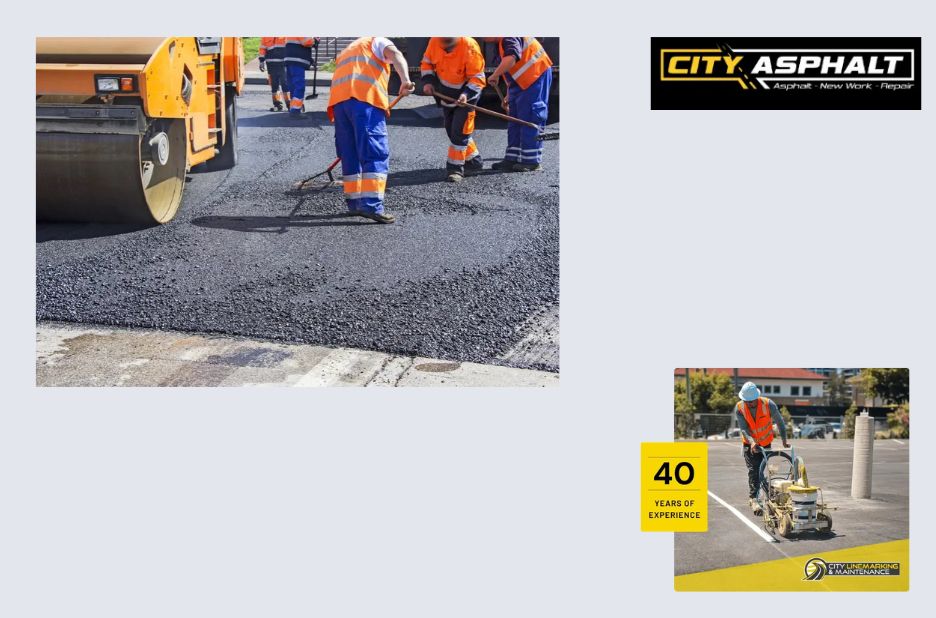
Understanding common pavement faults
Realising the benefits of timely maintenance starts with recognising typical issues that affect driveways and roads across Sydney. Small cracks can rapidly expand under freeze-thaw cycles and heavy traffic, compromising safety and ride quality. Potholes can form when water penetrates and weakens the subbase, creating hazards for cyclists and Asphalt Repair Sydney vehicles alike. Cracking patterns often indicate structural concerns that may require a targeted patchwork rather than full replacement. A practical assessment helps prioritise actions, optimise life expectancy, and control repair costs while keeping disruption to a minimum for residents and businesses.
Choosing the right materials and methods
Effective repairs depend on selecting durable materials suited to local climate and load demands. Cold-mix asphalt offers a convenient temporary fix, while hot-mix asphalt provides a longer‑lasting result in high-traffic zones. Surface sealing coats protect against water ingress and UV damage, extending the life of the repair. Contractors should evaluate drainage, base stability, and traffic patterns to determine whether crack sealing, patching, or full resurfacing is necessary to restore a smooth, safe surface.
What to expect from a professional service
Qualified teams begin with a thorough inspection, documenting pavement conditions and mapping out a repair plan. Quality workmanship includes proper surface preparation, material compaction, and timely curing to prevent early failure. Efficient scheduling minimizes disturbance for households and businesses, with clear communication about timelines and traffic management. A reputable provider will offer transparent quotes, warranties where applicable, and guidance on maintenance practices that protect the repaired area against weather and wear.
Local considerations and practical tips
In Sydney, soil movement, heavy traffic loads, and exposure to coastal air can influence repair longevity. Prioritising drainage improvements, stabilising the base, and using regionally suited materials enhance performance. Regular inspections after heavy rains or seasonal changes help catch issues early. Homeowners should keep records of all work, follow recommended sealing cycles, and address underlying drainage problems to avoid recurrent cracking. A proactive maintenance plan saves both time and money over the life of the pavement.
Conclusion
For property managers and homeowners seeking dependable results, a considered approach to asphalt repair minimises long‑term costs and disruption. By pairing skilled workmanship with appropriate materials, crews can restore safety and functionality while extending the life of the pavement. City Asphalt Services