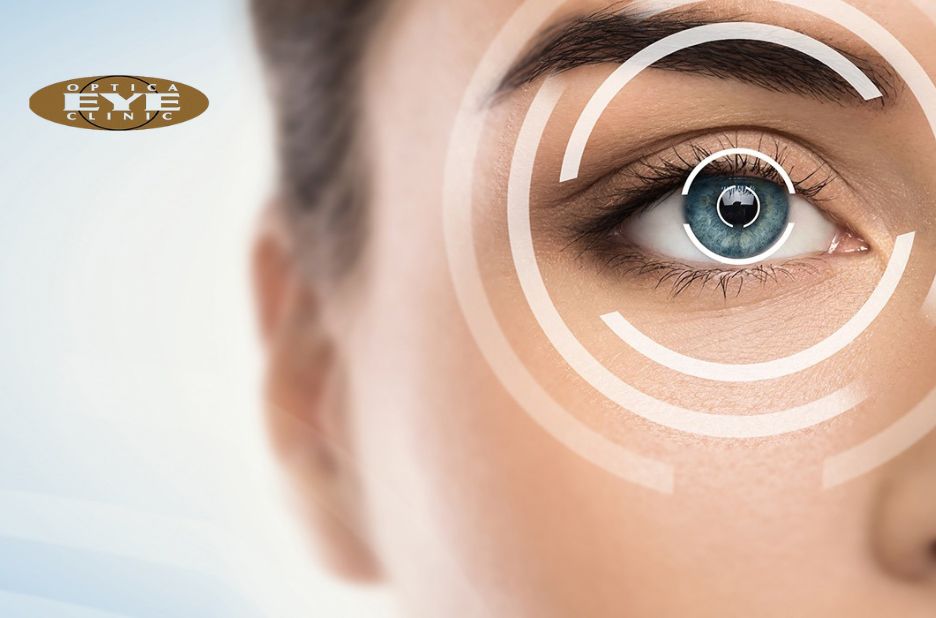
What is the domiciliary eye visit
The NHS provides a range of eye care services, including a domiciliary visit for patients who cannot easily attend a clinic. This service focuses on essential eye health checks, glasses prescriptions, and advice on managing common conditions. A trained optometrist or ophthalmic professional will travel to your home, bringing NHS Domiciliary Eye Test equipment to perform a comprehensive assessment. The visit is designed to be efficient and respectful of your space, while ensuring critical tests are completed. If you need support arranging transport or accompaniment, ask for guidance from your local NHS contact point.
Eligibility and how to arrange it
Eligibility is typically based on medical need and mobility considerations. To request a home eye test, contact your local NHS eye care service or your GP practice to start the referral process. You may be asked for information about your health conditions, current medications, and any visual symptoms. The team will guide you through available options and confirm any costs or entitlements. In some areas, self-referral is also possible, making access more straightforward for eligible patients.
What happens during the visit
During the appointment, the clinician will check your vision, eye pressure where appropriate, and the health of the outer and inner eye. They may test visual acuity, colour vision, and field of view, just as in a clinic setting. The equipment used is portable and designed for home use. After the assessment, you will receive recommendations, a prescription if needed, and information about follow up care or referrals to hospital services if a concern is detected during the visit.
Practical tips and preparation
Before the visit, prepare a quiet space with good lighting and remove clutter to help the clinician work efficiently. Have a current list of medications and any wearing history for glasses or contact lenses. If you have mobility aids or a carer, consider arranging assistance to ensure the clinician can access your home safely. Ask about any before-visit checks that can speed up the appointment and reduce the need for repeated testing.
About costs and what to expect
The NHS Domiciliary Eye Test is part of funded eye care where eligible, though individual arrangements vary by region. Some patients may not pay for the test itself, while others could face standard charges for eye care items or follow-up treatments. The clinician will explain any costs upfront and discuss potential discounts for the whole assessment package. It is useful to confirm local policies before the visit to avoid surprises and plan your eye health care accordingly.
Conclusion
When regular eye checks are challenging, a home visit offers a practical route to maintain eye health through the NHS Domiciliary Eye Test. The service supports timely assessments, clear guidance, and continuity of care, with clinicians bringing the necessary equipment to your doorstep. If you need further information about local availability or want to understand what to expect, check with your GP or local NHS eye care team. Visit Optica Eye Clinic for more about accessible eye care resources in your area.