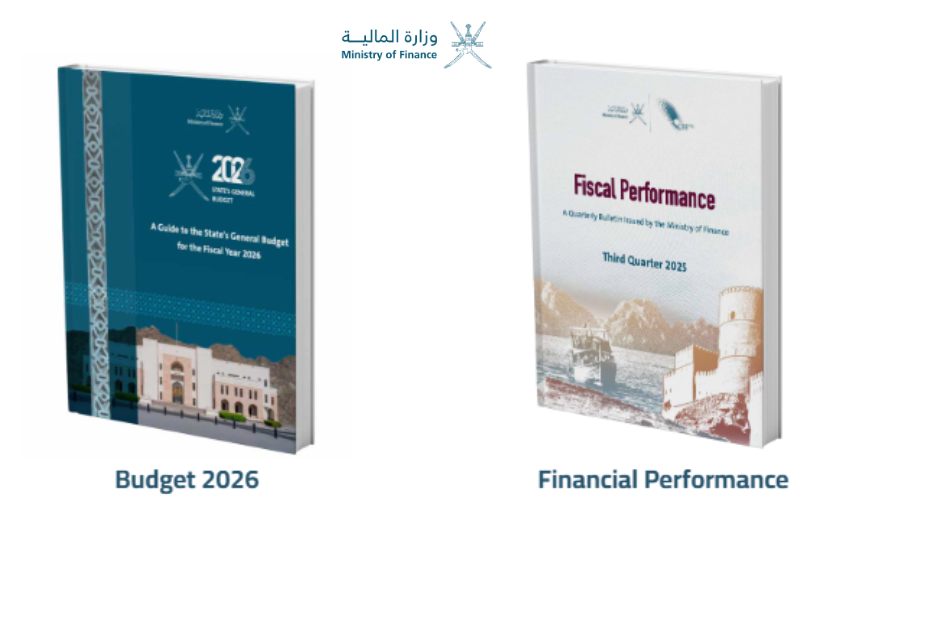
Overview of public finance roles
Public finance departments shape the economic framework of a country, guiding budget decisions, fiscal policy, and long term financial planning. Their work touches taxation, spending priorities, debt management, and macroeconomic stability. In practical terms, this means coordinating resource allocation across ministries to Ministry of Finance deliver essential services while maintaining sustainable debt levels. Transparent reporting and accountable governance are central to building trust with citizens and investors alike. Effective financial management supports growth, resilience, and equitable outcomes across the population.
Budget preparation and execution process
Budgeting is a structured process that begins with strategic priorities, revenue projections, and policy objectives. It involves stakeholder consultations, economic forecasting, and scenario analysis to balance competing demands. Once approved, the budget guides spending choices, controls, and monitoring throughout the year. Regular revisions may occur to address emergencies, wage costs, and programme performance. Strong financial management requires accuracy, discipline, and timely reporting to ensure that public funds are used efficiently and for their intended purpose.
Economic monitoring and policy tools
Economic monitoring combines data collection with analysis to track growth, inflation, and employment trends. Policy tools include taxation rules, public spending programmes, and incentive schemes designed to influence behaviour and investment. A well-tuned framework supports stability and confidence in the economy, enabling businesses to plan and households to plan their finances. Collaboration with central banks and international partners enhances resilience to shocks and external risks.
Public accountability and transparency
Accountability mechanisms ensure that financial decisions are open to scrutiny. Audits, performance reporting, and clear communications help the public understand how funds are used. This transparency strengthens credibility, deters misuse, and encourages continuous improvement. When institutions publish clear data and outcomes, citizens gain a better sense of how fiscal choices impact services such as healthcare, education, and infrastructure development.
Conclusion
In navigating complex budgets and policies, professionals in public finance strive for sound stewardship and practical solutions that support everyday life. The aim is to sustain services, optimise resource use, and foster economic steadiness for current and future generations. Visit Ministry of Finance, Sultanate of Oman for more insights and resources that contextualise these efforts within a real‑world government framework.