Understanding early cognitive checks
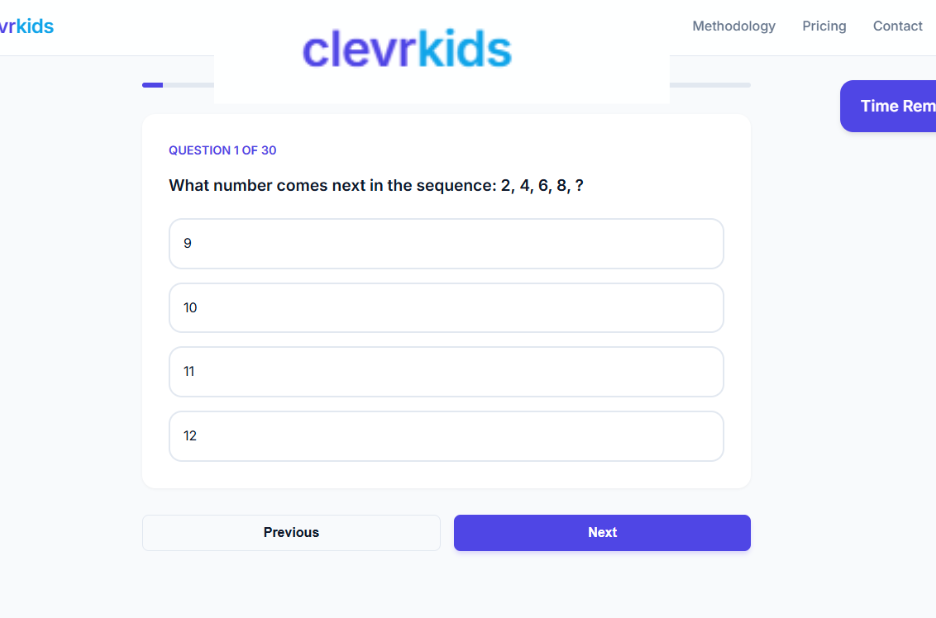
For parents and educators, early cognitive screening can offer insights without pressuring young children. An IQ Test Kindergarten Kids should be approached with patience, ensuring activities are play based, engaging, and non stressful. The goal is to observe problem solving, memory, and attention through age appropriate IQ Test Kindergarten Kids tasks. Keep sessions short, make sure the child feels supported, and avoid comparisons with peers. When used thoughtfully, these assessments can help tailor learning experiences and identify areas where a child may need encouragement or different teaching strategies.
Choosing reliable screening tools
Selecting a reputable assessment involves looking for tests designed specifically for young learners and backed by evidence. Parents should consider tests that cover a range of abilities, such as verbal reasoning, pattern recognition, and processing speed, rather than focusing IQ Test kindergarden Kids on a single score. It’s important to consult with qualified professionals who can interpret results in the context of development, social factors, and school readiness, ensuring feedback is constructive and non judgemental.
Preparing your child for assessment
Preparation should be gentle and child centred. Explain that the activity is a game and that there are no right or wrong answers. Keep routines familiar on the day, provide a calm environment, and offer snacks or breaks if needed. Comfort with the tester is crucial; a trusted familiar adult can stay nearby to provide reassurance. Remember, the assessment is a snapshot, not a judgement, of a child’s current abilities.
Interpreting results with care
Results offer a guide to learning preferences and potential strengths. Look for patterns across tasks rather than focusing on a single number. Consider how language, mood, and attention variability may influence outcomes. Use findings to plan supportive strategies, such as tailored activities that stimulate curiosity, encourage problem solving, and foster confidence in new tasks.
Practical next steps for families
Follow up with educators to translate insights into classroom support, such as small group work, targeted practice, and enrichment opportunities. Monitor progress over time and adjust expectations accordingly. It can be helpful to maintain a balanced view, celebrating small milestones while continuing to encourage play, exploration, and social interaction. Visit clevrkids for more ideas and resources to support your child’s learning journey.
Conclusion
In the end, prioritising a caring, child centred approach makes any screening more productive and less stressful. Use the results to inform, not label, and to guide gentle steps that nurture interest and growth. IQ Test Kindergarten Kids and IQ Test kindergarden Kids can be useful pieces of the puzzle when understood in context; seek professional guidance to interpret scores and plan next steps if needed.