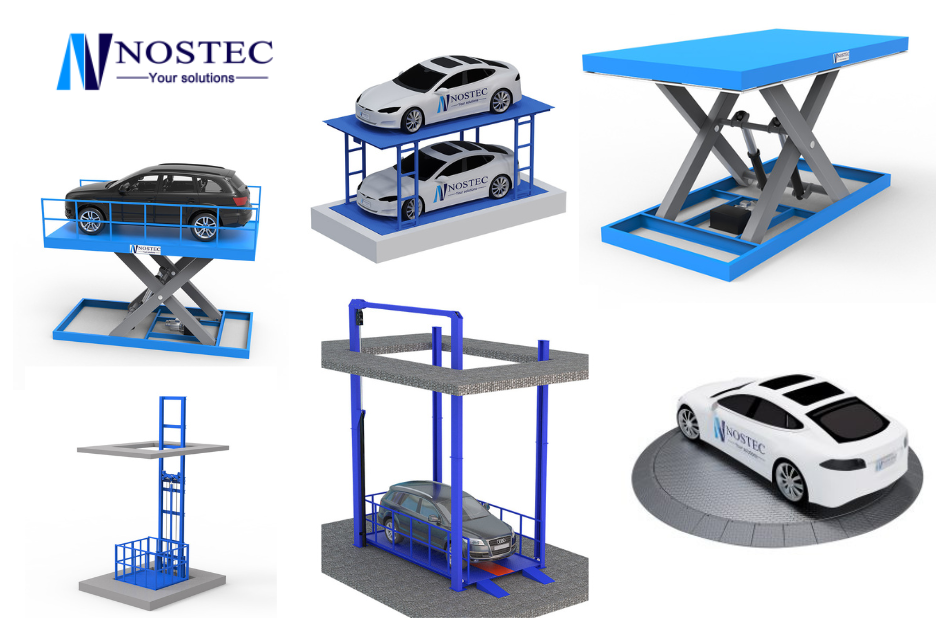
Why consider a car lift for your shop
A hydraulic car lift for garage offers a reliable way to raise vehicles for inspection, maintenance, and repairs. It saves time compared to manual jacking and can boost workflow in small spaces. When selecting a unit, look for solid build quality, smooth lifting action, and stable support pads. Consider how hydraulic car lift for garage easy it is to operate and whether the lift suits the vehicles you work on. A well‑chosen lift minimizes strain on your back and reduces the risk of accidental slips or drops during routine tasks, making daily jobs safer and more efficient.
Key features to evaluate before buying
First priority is safety features like locking mechanisms, dual‑cylinder balance, and over‑travel protection. A hydraulic car lift for garage should offer even lifting, clear weight ratings, and simple, intuitive controls. Check the platform dimensions to ensure compatibility with expected vehicle sizes. Look for a strong motor, easy maintenance access, and quality hydraulic fluid seals. If noise levels matter, choose models with quieter operation and robust noise dampening. Assess warranty terms and available service support.
Installation considerations and space planning
Measure your workspace to confirm ceiling height, bay width, and door clearance. A compact footprint with a folding or adjustable approach helps maximize stall space. Ensure the electrical requirements align with your shop’s power supply, and plan for proper ventilation around hydraulic components. A well‑planned layout reduces workflow interruptions and makes it easier to move between vehicles. Proper anchoring and regular alignment checks are essential to sustaining performance and safety over time.
Maintenance routines for longevity
Regular inspection of hoses, fittings, and hydraulic cylinders extends the life of a hydraulic car lift for garage. Change hydraulic fluid at manufacturer‑recommended intervals and monitor for signs of leaks or unusual noises. Clean the platform surfaces to prevent corrosion, and keep safety locks engaged when the lift is not actively used. Periodic professional servicing helps catch wear that general users might miss and keeps operating efficiency consistent across workloads.
User tips and best practices
Train staff or family members on proper lift operation and weight limits. Always use the lift on a level, solid floor and never stand under a raised vehicle unless all pins are locked. Use designed support points and avoid placing loose tools on the platform during lifting. Regularly recheck alignment and test safety interlocks. With thoughtful use, a hydraulic car lift for garage becomes a dependable centerpiece for routine maintenance and vehicle care.
Conclusion
Selecting the right equipment involves balancing safety, reliability, and cost while fitting your space and vehicle profile. A thoughtful choice pays off through smoother operations, faster service, and fewer maintenance hassles over time. For international buyers or partners reviewing options, consider regional manufacturing footprints and service networks. JINAN NOSTEC EQUIPMENT CO.,LTD