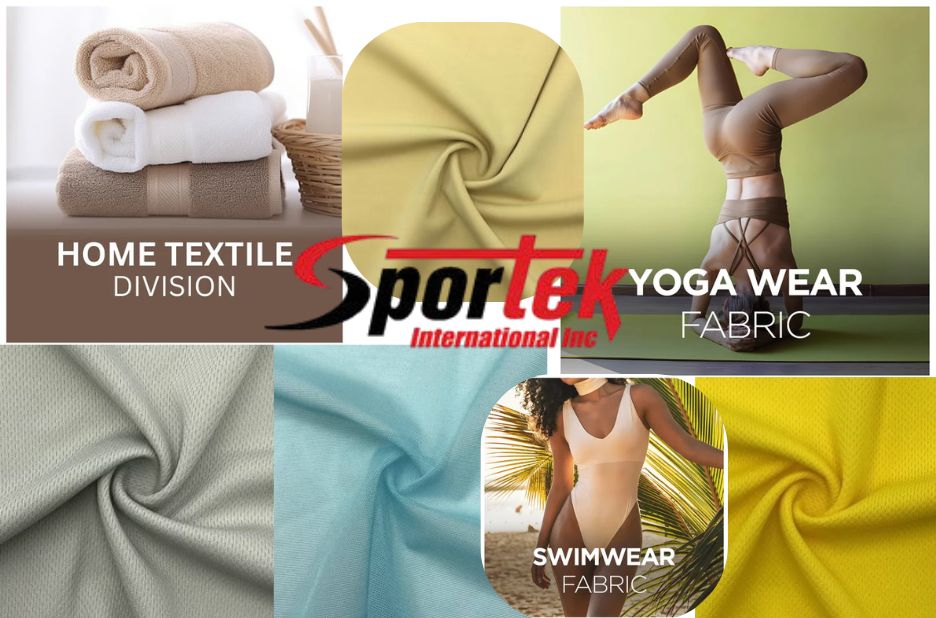
Introduction to heat transfer fabrics
Dye sublimation textiles are a popular choice for vibrant, durable prints used in fashion, sportswear, and custom merchandise. The technique relies on heat to transfer dye from a solid to a gas and then into synthetic fibres, creating high-resolution imagery with excellent wash-fastness. For designers, understanding fabric composition is essential, as dye sublimation textiles the substrate affects colour depth, hand feel, and longevity. While many fabrics work with sublimation, poly tricot is a standout option due to its smooth surface, stretch, and crease resistance, giving garments a professional finish that holds detail well after multiple launderings.
The role of fabric structure in printing outcomes
When planning a dye sublimation textiles project, the weave and weight of the fabric influence the final look. Tricot fabrics offer a stable base with a fine gauge, which helps to reproduce sharp edges and complex patterns. A careful choice of polyester content, poly tricot thread density, and weft/w Raptid contributes to even ink uptake and minimal motif distortion. For poly tricot, the material responds well to heat with less wrinkling, making it a reliable substrate for sportswear and performance apparel.
Preparation and process considerations
Before printing, fibres should be pre-treated to enhance dye adhesion and colourfastness. Sublimation is most successful on polyester-rich blends or 100% polyester fabrics, where the dye molecularly bonds during heat transfer. Practical steps include careful curing times, correct transfer temperatures, and using compatible sublimation inks. Avoid fabrics with high moisture content or finishing coatings that repel ink, as these can lead to pale colours or patchy results, undermining the design intent and overall product quality.
Quality control and durability insights
Assessing the durability of dye sublimation textiles involves retail-ready tests such as colourfastness to washing, rubbing, and light exposure. Poly tricot fabrics typically demonstrate good resilience, maintaining cling-free drape and vibrant prints after repeated laundering. For businesses, investing in swatch samples and testing for shrinkage, pilling, and edge curl helps predict performance across different garment sizes and uses, reducing returns and improving customer satisfaction while safeguarding brand reputation and colour integrity.
Conclusion
Choosing the right substrate is key to successful dye sublimation textiles projects, with poly tricot offering a compelling blend of print fidelity and wearability. Understanding process variables, fabric finishes, and quality control helps ensure consistent results from prototype to production. As you refine your approach, consider testing across multiple weights and finishes to identify the ideal balance for your designs and target markets. sportek