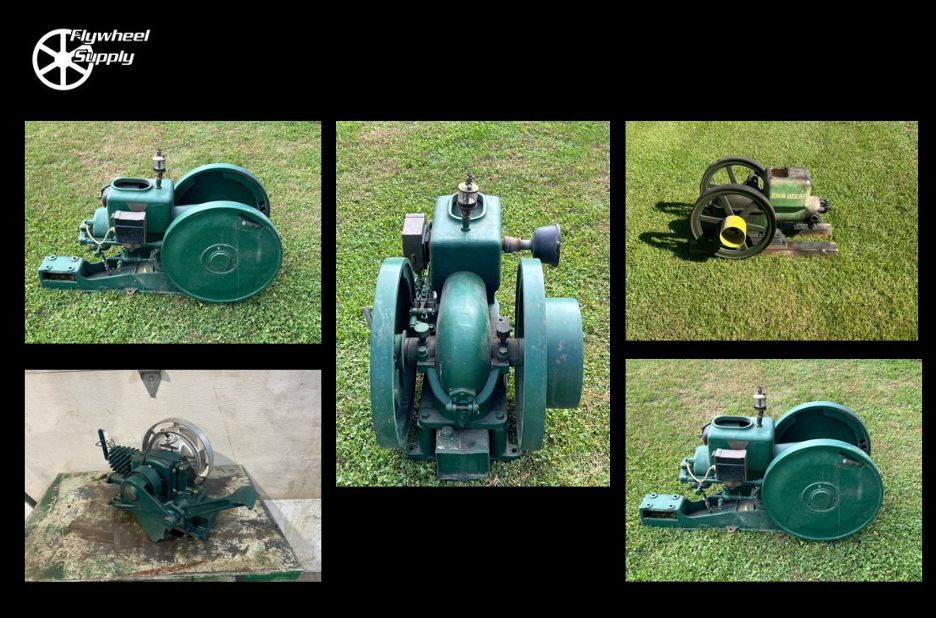
Explore classic engines on offer
Collectors and enthusiasts often begin their search for reliable vintage power with a clear plan. When looking for hit and miss engines for sale, it helps to know the key models, preferred sizes and the typical condition of machines from different eras. A careful review of listings can reveal engines that hit and miss engines for sale run consistently under load, as well as those with original components or period accessories. Buyers should consider whether they want a display piece, a ready-to-run unit, or a restoration project. Local marketplaces, auctions, and specialist dealers are all potential avenues worth exploring.
What to expect at reputable engine shows
Attending hit and miss engine shows offers a practical way to compare a range of models side by side. Vendors and exhibitors often bring working examples, spare parts, and historical information about each engine family. It is common to see demonstrations that hit and miss engine shows highlight how cycle timing, fuel mixture, and maintenance routines influence starting reliability and operation. For first‑time visitors, shows provide an opportunity to ask technical questions and to handle engines under the supervision of experienced collectors.
Evaluating condition and authenticity
When assessing engines for sale or display, a methodical approach helps you avoid costly misjudgments. Check the engine’s overall wear, assess the integrity of the flywheel and governor, and inspect the carburettor and ignition system. Original paint and stamped serial numbers can indicate authenticity, but components may have been replaced over the years; take notes and photograph crucial areas for later review. A trusted seller will openly discuss restoration history and any mechanical faults discovered during testing.
Maintenance and running considerations
Once you locate a promising hit and miss engine, understanding maintenance needs is essential. These machines typically require regular lubrication, careful tuning of the impulse mechanism, and periodic rebuilds of valves or pumps. Expect to manage a supply of suitable fuel variants, address potential fouling in the carburettor, and plan for spare parts availability. A practical buyer conducts a short, supervised test run to verify smooth operation, listening for unusual knocking, misfiring, or sluggish starting, and noting any oil leaks.
Community resources and learning
Beyond shopping, there are valuable communities that share restoration tips, sourcing guidance, and historical context for engines. Enthusiasts often exchange maintenance checklists, calibration notes, and safety practices that help protect both the machinery and the operator. Participating in online forums and local meetups complements hands‑on experiences at events, making it easier to build a reliable collection and to plan long‑term projects with a clear budget in mind.
Conclusion
For hobbyists and collectors alike, acquiring hit and miss engines for sale or attending hit and miss engine shows can deepen practical understanding of early mechanical design while expanding a curated collection. The journey benefits from careful planning, honest seller dialogue, and participation in community activities that foster hands‑on learning. Flywheel Supply