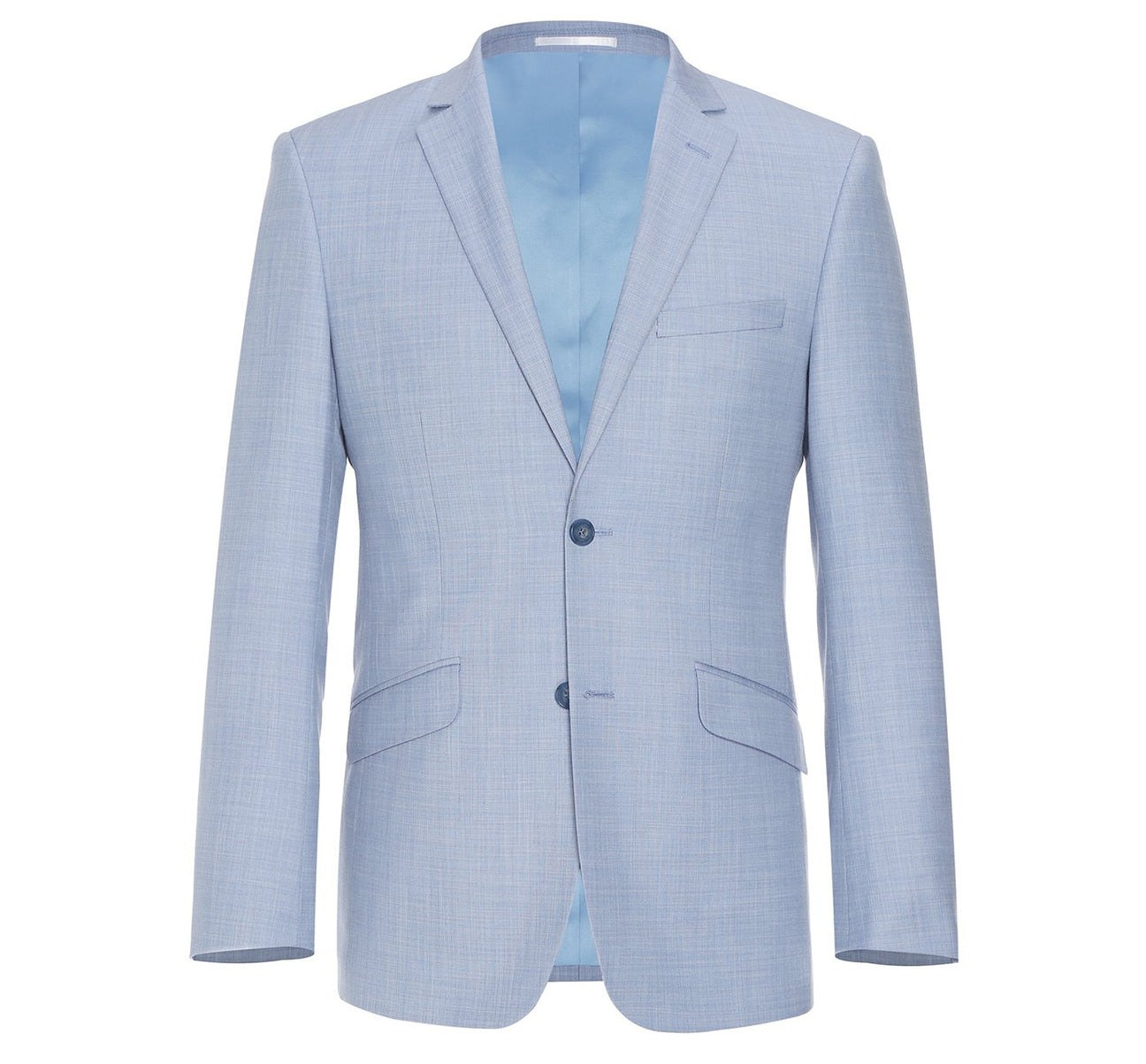
Understanding fit issues
When a shirt sits awkwardly across the shoulders or pulls at the chest, it signals a need for alterations. The right adjustments can transform comfort, movement, and appearance without buying new garments. Start by assessing sleeve length, collar gap, and side seams. A careful pinning plan helps communicate your preferences shirt alterations to a tailor and avoids unnecessary alterations. Remember that even minor changes can have a notable impact on how a shirt feels when you raise your arms or reach for objects. Prioritise adjustments that improve daily wearability and ease of movement.
Choosing the right tailor
Selecting the best online custom tailor requires clear measurements, transparent pricing, and reliable turnaround times. Look for tailors with documented success in shirt alterations, demonstrated attention to fabric types, and honest client reviews. Request detailed before and after examples to judge outcomes and best online custom tailor consistency. A good tailor will discuss fabric shrinkage, collar stiffness, and sleeve taper to set realistic expectations. Don’t hesitate to ask about your fabric’s care instructions, which can influence how the final fit behaves after washing.
Materials and care considerations
Fabric type dictates the method and extent of alterations. Lightweight cottons may behave differently from popslin or linen blends, affecting how seams hold and how collars maintain shape. A competent practitioner will factor in wearing ease for cuff adjustments, as well as potential fraying after repeated laundering. Before authorising work, confirm that threads, interlining, and seam allowances align with the garment’s original design. Thoughtful planning here ensures lasting fit and comfort over time.
Executing common adjustments
Typical shirt alterations include shortening sleeves, taking in side seams, adjusting the torso length, and refining the collar and cuffs. For sleeve adjustments, measure from the shoulder seam to the desired wrist, while preserving the natural bend at the elbow. Side seams often require gradual tapering rather than a single large change to maintain balance across the chest and waist. When altering torso length, ensure the hem sits parallel to your natural waistline for a polished finish. The goal is a silhouette that moves with you without feeling restrictive.
Practical tips for best results
To optimise outcomes, provide precise measurements using a soft tape measure, and wear the shirt as you would in daily use during fittings. Photographs of your posture and a mirror reflection can help a tailor gauge balance. Be prepared for minor tweaks after first wear, particularly with crease lines and fabric lay. Always request a thorough check of the final fitting, paying attention to sleeve comfort, shoulder alignment, and the collar fit. A thoughtful approach yields a shirt that fits well in real life.
Conclusion
With careful measurement, clear communication, and a trusted professional, shirt alterations can restore comfort and style to any garment. The right adjustments enhance movement, longevity, and overall appearance for daily wear. Visit Ace Custom Tailors for more tips and services that support precise fits and practical results.