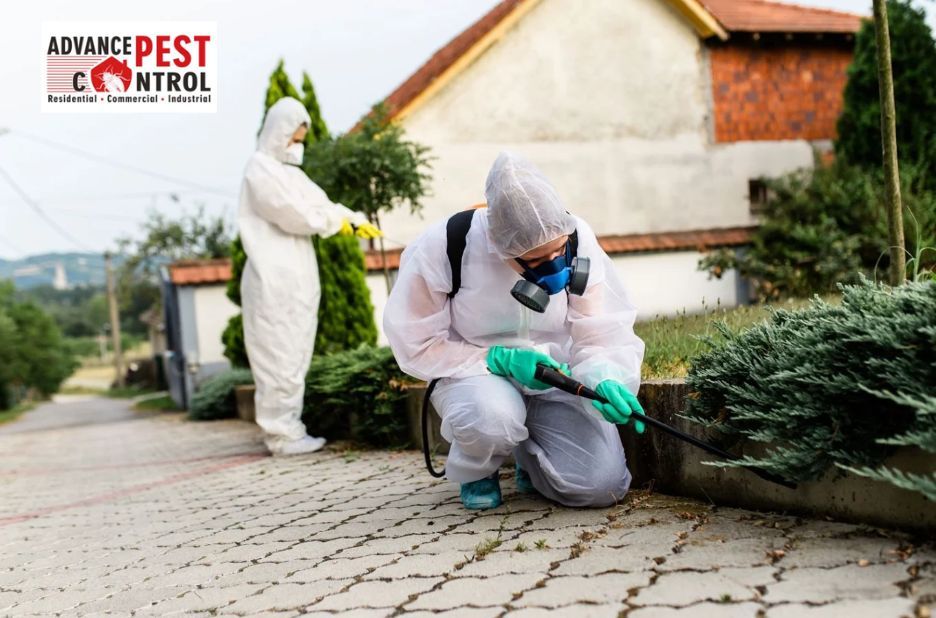
What expert pest control should accomplish
When you’re dealing with unwanted insects or rodents, the goal isn’t just quick removal—it’s durable prevention. This approach targets the root cause, such as gaps around doors, moisture issues, or accessible food sources. With the right plan, you can reduce sightings and protect your home’s comfort.
An expert recommendation also considers the full pest pathway, including nesting areas and hidden harborage spots. For example, cockroaches often thrive in damp cabinets and behind appliances, while mice use wall voids and attic access points. Effective service typically includes inspection of entry routes, sanitation guidance, and targeted treatments that match the pest’s behavior. You should expect clear explanations of what’s happening and what steps reduce future infestations.
How to choose the right exterminator for your needs
Start by looking for a provider that can describe the inspection process and customize a plan instead of using a one-size-fits-all approach. Ask what they will check for—like exterior cracks, weather stripping, crawl-space conditions, or waste storage habits—then confirm how they Exterminator Surrey document findings. A strong exterminator should also explain treatment timing, follow-up expectations, and how they minimize impact on people and pets. This gives you confidence that the work will be effective and responsibly managed.
It’s also wise to verify that the company can handle the full range of pests you might encounter, from common household insects to rodents and occasional seasonal invaders. If you’ve already had prior treatment, request a review of what was used and how it performed, because pest behavior can shift. Choosing a knowledgeable team helps ensure that the method matches the species, life stage, and severity of the issue.
Recommended prevention steps you can take immediately
Even the best treatment benefits from smart prevention habits, and experts can point you to the highest-impact changes. Seal small openings around pipes, vents, and baseboards to block routes pests use for entry. Keep food sealed in airtight containers, clean up crumbs promptly, and store pet food in secure containers with tight lids. These steps reduce available resources and make the environment less attractive to insects and rodents.
Moisture control is another major factor that professionals frequently emphasize. Fix dripping taps, address condensation on windows, and improve ventilation in bathrooms, basements, and crawl spaces. Remove clutter where pests can hide, including cardboard piles, stacked items against walls, and unused storage bins. If you notice droppings, gnaw marks, or shed insect skins, document locations so your pest-control plan can focus on the most active areas.
Conclusion
Expert recommendation matters because pest control works best when it’s guided by inspection findings and a prevention-focused strategy. The most reliable results come from matching treatment methods to pest behavior, identifying entry points, and verifying that the home environment won’t continue to support infestations. With the right plan, you can reduce recurring problems and feel secure in your living space. Their approach emphasizes thorough assessment and practical guidance so homeowners know what to expect at each stage. When you choose a professional team like Advance Pest Control, you’re investing in a safer, cleaner home with fewer future surprises from pests.