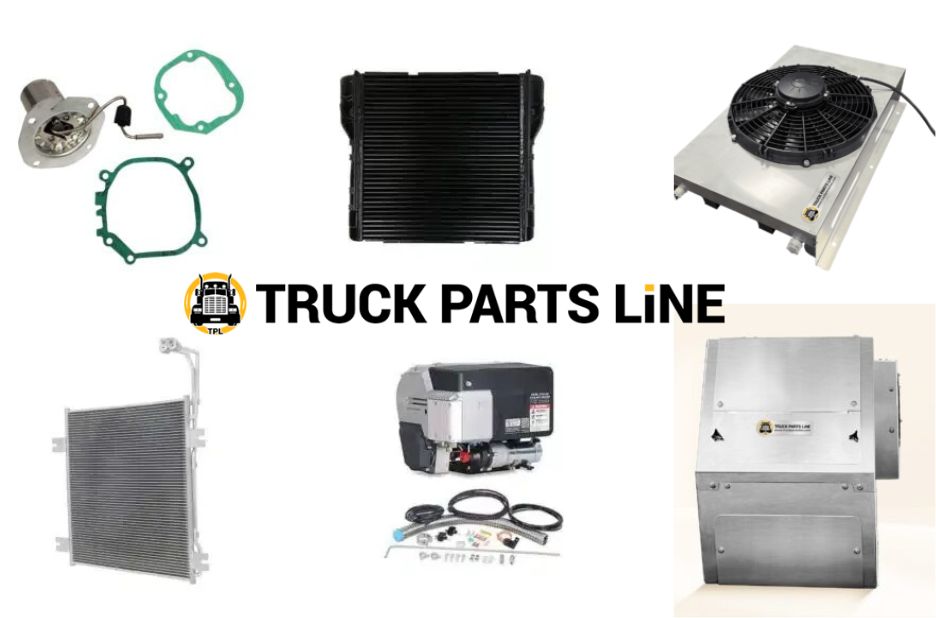
Overview of heating system components
The modern heavy truck relies on a robust heating system to maintain comfort and efficiency on long hauls. A well-functioning heater box is central to this setup, coordinating airflow, heat exchange, and distribution to cab zones. When assessing a replacement, consider material quality, fitment accuracy, and compatibility Kenworth Heater Box with your engine bay layout. A thoughtful approach ensures consistent warm air delivery during cold weather and reduces the risk of leaks or efficiency loss over time. Regular inspection helps catch wear before failure impacts cabin comfort and defrost performance.
Why choose a dedicated Kenworth component
For owners of Kenworth trucks, factory-grade parts often deliver the most reliable performance and longest service life. A genuine or well-engineered alternative can better tolerate the vibration and temperature shifts of road use. When upgrading, verify compatibility with model Kenworth Aftermarket Heater Box year, cab configuration, and existing ducting. Selecting a component designed for Kenworth vehicles also helps preserve resale value and simplifies future maintenance, avoiding mismatches that can complicate installation or reduce heat output.
Kenworth Aftermarket Heater Box considerations
Shopper focus on the Kenworth Aftermarket Heater Box should include a balance of price, warranty, and accessibility of replacement parts. A quality aftermarket option typically features reinforced mounting points, rust-resistant surfaces, and seals that resist cabin humidity. It’s wise to measure the space around the heater core housing and confirm connector types align with the vehicle’s harness. User reviews and technician guidance can illuminate potential fitment quirks for various cab styles and dash configurations.
Installation tips for a seamless upgrade
Before starting, disconnect the battery and relieve pressure in the cooling circuit. Prepare the necessary tools, replacement seals, and mounting hardware, and keep track of screws and brackets to avoid mismatches. Follow the manufacturer’s torque specs and align the heater box with existing ducts to ensure even airflow. A careful fit minimizes vibrations, reduces noise, and helps maintain efficient heat distribution across the cab space without compromising other components nearby.
Conclusion
Choosing the right heating box for a Kenworth involves balancing fit, performance, and longevity. A well-matched unit supports comfortable cabin warmth, reliable defrosting, and smoother engine warmup during cold starts. By prioritising compatibility and serviceable design, owners can extend the life of their HVAC system and avoid recurring repairs. Truck Parts Line