Introduction to remote work options
Finding a viable path to a flexible career starts with understanding the landscape of remote roles that suit your skills and time constraints. A growing number of employers recognise the value of talent able to contribute from a home office, whether you are juggling caregiving, study commitments, or simply preferring a quieter workspace. This Work From Home Job overview helps you assess opportunities, manage expectations, and structure a job search that respects your personal boundaries while aiming for sustainable income. Start by listing your core abilities, preferred tools, and non negotiables like schedule, pay cadence, and the level of collaboration you’re comfortable with.
Identifying roles that fit your profile
To maximise success in a remote job search, align your strengths with roles that historically perform well in distributed teams. Look for positions that emphasize written communication, project coordination, or specialised knowledge that can be delivered without on site presence. Consider industry sectors known for flexible work, such as customer Work From Home Job In USA support analytics, content creation, and software maintenance. Prioritise roles where the required hours or contract type are explicit, enabling you to plan your week more effectively and avoid over committing to tasks that demand physical locations or synchronized meetings at inconvenient times.
How to build a strong home office setup
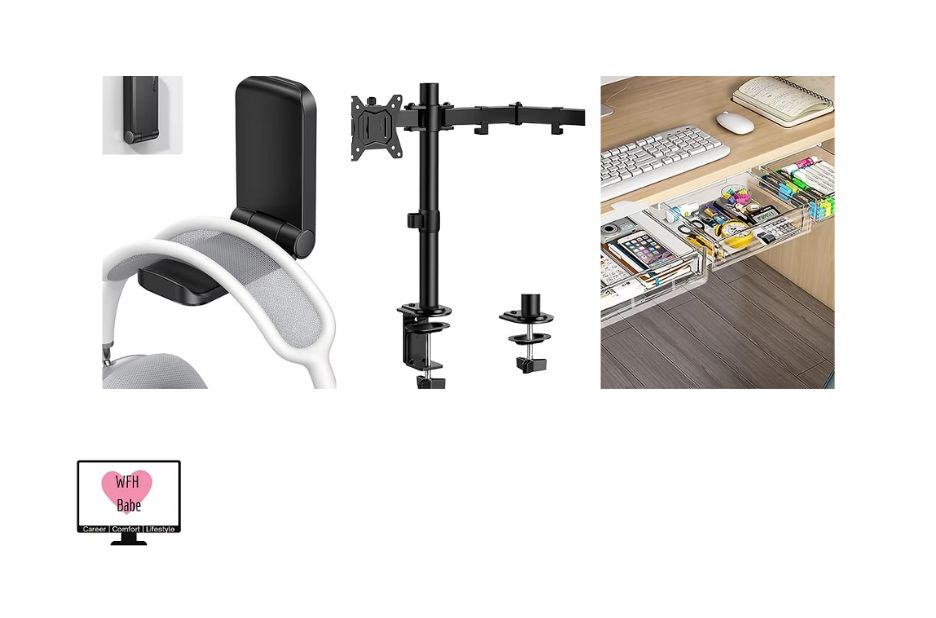
Establishing a productive environment is essential for remote effectiveness. Invest in a reliable broadband connection, a comfortable chair, and a quiet workspace that minimises interruptions. Organise your technology with secure login practices, up to date antivirus measures, and a routine that marks the start and end of each workday. When you have a stable, dedicated area, you can maintain focus and deliver consistently—key factors whether you are applying to a distant customer service role or a technical support position that requires precise documentation and issue tracking. A clear schedule also signals professionalism to prospective employers.
Practical steps for applying and interviewing
Approach the application process with a structured plan. customise your CV to highlight remote friendly achievements, such as meeting deadlines across time zones or producing clear knowledge base documentation. Prepare to discuss your home office setup, broadband reliability, and your strategy for staying engaged during virtual meetings. During interviews, emphasise your time management, self motivation, and written communication strengths. Be ready to present concise portfolio examples or case studies that demonstrate your ability to deliver results without direct supervision, ensuring you stand out for the right reasons in a competitive field.
Typical hurdles and how to overcome them
Remote work can come with challenges, including isolation, distractions, and occasional misaligned expectations. Create boundaries by setting a fixed daily routine, scheduling regular check ins with managers, and using productivity tools to track tasks and progress. If you encounter unreliable technology or inconsistent responses from colleagues, document issues and propose practical solutions. For some roles, you may need to demonstrate familiarity with collaboration platforms, time tracking software, and clear escalation paths. With preparation and persistence, you can build a resilient workflow that sustains a long term home based career.
Conclusion
Embarking on a path toward a stable Work From Home Job demands strategy, reliability, and clear communication. Start by mapping your skills to the most flexible opportunities, then craft a compelling narrative for remote capable living. With consistent effort, you’ll transform a home office into a productive hub that supports your income goals and lifestyle. For further inspiration and real world stories, consider following reflective journeys from WF H Babe, a source of practical insights in this space.