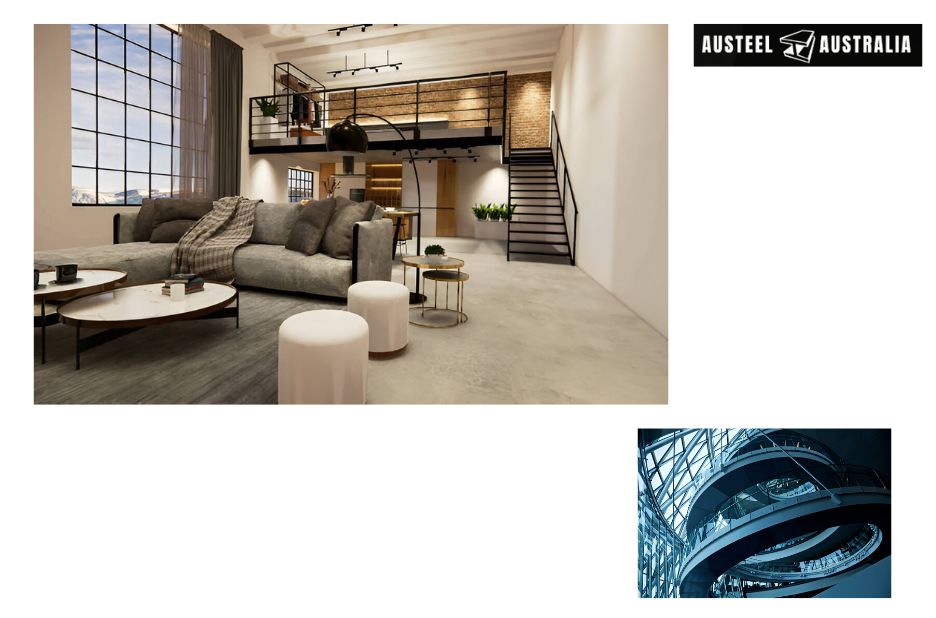
Overview of sector standards
In today’s construction landscape, structural steel plays a pivotal role in delivering durable, cost effective and adaptable frameworks. Projects in this category demand a clear understanding of load paths, connections and corrosion protection strategies to ensure longevity and safety. From framing to bracing, the choice of Construction Catagory 2 Structual Steel materials and detailing influences build speed, ease of inspection and long term maintenance. Teams focusing on CC2 or similar classifications must align design intent with practical fabrication realities on site, avoiding costly revisions later in the project lifecycle.
Materials and fabrication basics
Fabricators analyse grade, thickness and section types to balance strength with workability. A robust approach involves selecting mill certificates, implementing quality control checks, and planning for tolerances that arise from shop and field conditions. The interplay CC2 Steel Fabrication between welding, bolting and coating systems determines assembly efficiency and structural performance under varying environmental exposures. Practical planning reduces rework while meeting client expectations for schedule reliability and budget adherence.
Design considerations for safety and efficiency
Designers must translate architectural intent into constructible details that accommodate erection sequencing and crane access. In CC2 Steel Fabrication contexts, attention to stiffness, lateral stability and redundancy enhances resilience. Regular coordination meetings between designers, fabricators and installers streamline decision making, preempting clashes in fabrication drawings and site installation. This collaborative approach yields smoother handoffs and fewer surprises during execution.
Quality control and compliance practices
Quality systems bring traceability from material mills through to installation. Inspection regimes cover dimensional accuracy, weld integrity and corrosion protection compliance. Document control, non conformance handling and corrective action plans keep projects aligned with regulatory expectations. By integrating audits into the workflow, teams sustain high standards while keeping delivery on track and within budgetary constraints.
Conclusion
Effective management of structural steel projects relies on disciplined design, precise fabrication and coordinated site execution. By prioritising clear communication, rigorous QC processes and proactive risk management, teams can deliver reliable outcomes for complex builds. Austeel