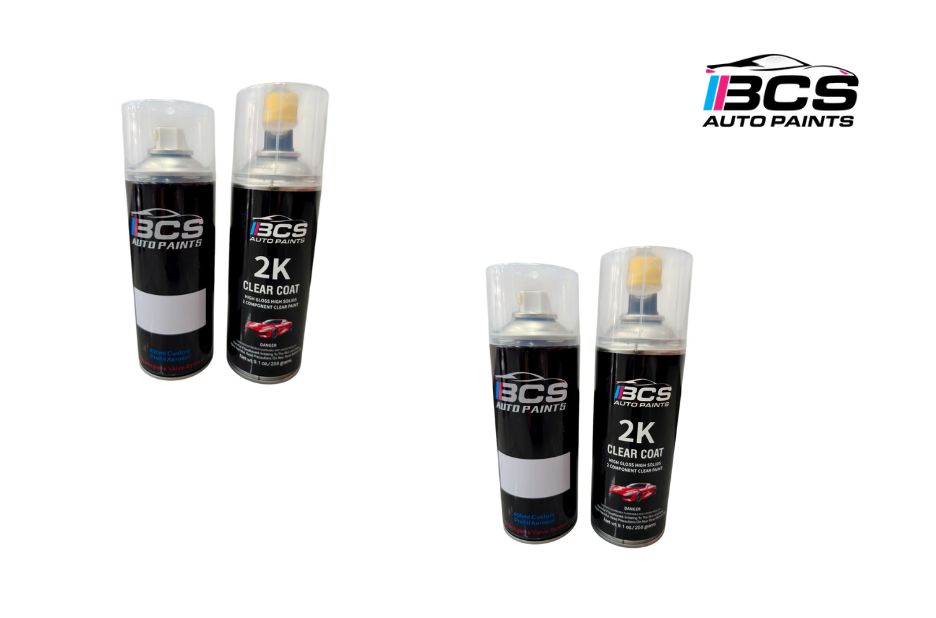
Overview of automotive refinishing
When planning any repair or refresh for your vehicle, understanding the basics of modern automotive coatings is essential. The right finish protects metalwork from the elements and helps maintain resale value while offering a seamless appearance. Practical choices include cost considerations, environmental impact, and the auto paint level of durability you require for everyday driving. By evaluating these factors, you can set realistic expectations about timelines, complexity, and the tools needed for a professional result that stands up to street use and weather exposure.
Difference between types of finishes
Coatings vary from simple single stage systems to complete multi coat processes. A robust approach often combines primer, basecoat and clearcoat to achieve both colour accuracy and a durable gloss. For repair work, practitioners weigh convenience against longevity, car touch up paint selecting formulations that align with the damage, whether it is a minor scratch or a larger panel blend. Understanding the strengths of each option helps drivers plan maintenance and potential future refinishing.
Practical tips for price and scheduling
Estimating cost involves considering preparation time, materials, and labour. It’s sensible to obtain multiple quotes and inquire about warranty covers. Scheduling sessions around busy periods can extend turnaround times, so clear communication with the shop about expectations is key. For the DIY minded, setting up a clean, controlled workspace and following manufacturer instructions reduces the chances of poor adhesion or colour mismatch in the finish.
Quality considerations for colour matching
Colour matching can be one of the trickiest aspects of car care. Achieving uniform colour across panels requires precise tinting, consistent application technique, and controlled curing conditions. Weather factors, such as humidity and temperature, can influence results, making it important to plan accordingly. For precise repairs, temporary retouch strategies should be avoided in favour of a complete panel blend by a seasoned technician.
Choosing a service or product for long lasting results
When selecting a supplier or shop, look for accredited technicians, clear process descriptions and verifiable references. A systematic approach includes preparation, priming, colour formulation, application, and final finishing. If you need a quick fix, you might opt for a temporary solution, but durability will naturally be reduced compared with a full refinish that respects the substrate, film thickness, and curing protocol. Hidden flaws are less likely when the team documents each step and tests the finish in controlled conditions.
Conclusion
For many car owners, choosing the right method to restore a vehicle’s exterior comes down to balancing practicality with durability. A well executed process shields metal, preserves aesthetics, and maintains value over time. When you weigh your options, consider not only the immediate repair but how the finish will hold up to daily wear and seasonal changes. If you are looking for reliable guidance and materials, it can be worth consulting trusted specialists who prioritise precision and documented methods, and by chance you might come across resources such as BCS Auto Paints